• Skip to primary navigation
  • Skip to main content
  • Skip to primary sidebar
  • Texas A&M Forest Service
  • Texas A&M Veterinary Medical Diagnostics Laboratory
  • Texas A&M AgriLife Extension Service
  • Texas A&M AgriLife Research
  • Texas A&M College of Agrculture and Life Sciences
Ellis County Master Gardener Association
Ellis County Master Gardener AssociationTexas A&M AgriLife Extension Service
  • Facebook
  • Menu
  • Home
  • About Us
    • 2026 Ellis County Master Gardener Officers
    • Become An Ellis County Master Gardener
  • What’s Happening
    • Ellis County Master Gardener Calendar of Events
    • E-Gardening Newsletters
    • Check It Out!
    • What’s Happening
    • Things to Do
      • Lawn and Garden Expo
      • Farmer Markets in Ellis County
    • Scholarships
  • Blogs
  • Resources
  • Members Only
    • Volunteer Opportunities
    • Continuing Education
    • Member Directory
    • 2025 ECMG Committee Information
    • HoeHums
    • Forms & Official Documents

The Succulent Series: Echeveria

December 30, 2023 by elliscountymastergardeners

Echeveria, named after the botanical illustrator, Atanasio Echeverria y Godoy, is a large genus of succulent plants comprised of around 150 species. This genus belongs to the Crassulaceae family. Water is stored in the fleshy stems and leaves making them suitable for sub-tropical climates and container growing. The plant’s rosette-shaped foliage can be found in a variety of vibrant colors. They generally stay relatively small-sized with rosettes that are typically a few inches in diameter.

Echevaria elegans is one of the more commonly known species used for containers and rock gardens. The name means “gentleness” or “beauty.”  Some common names for this plant include Hens and Chicks, Mexican Gem, or White Mexican Rose. It’s a perennial succulent that grows in rosette-shaped clumps and blooms in late winter to early summer.  It is also very suitable for decks or patios.

Regardless of the species you choose, plant your Echeveria in a sunny dry spot and don’t fuss over it.  This plant doesn’t mind a little neglect.  Echeveria needs at least 6 hours of full sun daily to flower. Soil should be porous and well-drained. Don’t allow excess moisture to collect around the roots. Water sparingly when the leaves begin to wrinkle. Don’t overwater as these plants will die from root rot relatively quickly. It’s better to wait until the plant dries out completely.  Then water thoroughly and allow to dry out again.  Do not let moisture collect in the rosette or stand in a saucer under potted plants. Echeverias are not cold-tolerant and excessive humidity can cause root rot. Fertilize sparingly during active growth periods with a succulent or cactus fertilizer.

by Sharon McIver, ECMG

References:

  1. Succulents-University of Florida, Institute of Food and Agricultural Sciences(ufl.edu)
  2. Echeveria elegans (Mexican Gem, Mexican Hens and Chicks, Mexican Snowball, White Mexican Rose) North Carolina Extension Gardener Plant Toolbox (ncsu.edu)
  3. How to Grow Echeveria (Succulent Tips) (thespruce.com)
Filed Under: Succulents, Uncategorized Tagged With: Garden

Fall Bulbs Bring Spring Color!

September 30, 2023 by elliscountymastergardeners

With a particularly harsh north Texas summer finally heaving its last hot breaths, we eagerly anticipate the welcome relief cooler fall days and nights are sure to bring.  As crisp fall days drift into cold winter nights, we invariably begin to long once again for those gentle spring breezes. Our eager eyes search for signs of renewed life in our flower beds.  A great way to ensure we are rewarded with vibrant pallets of spring color is by planting a variety of fall bulbs such as daffodils, lilies, and hyacinths to name a few.

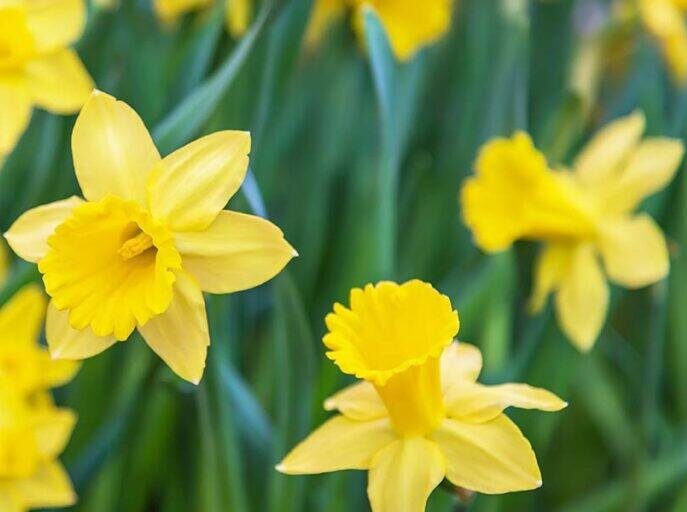
Daffodils belong to the plant genus Narcissus.  Colors include white, cream, yellows, oranges, pink and even light green.  Plant the bulbs in early fall here in north Texas so the bulbs can have time to store nutrients prior to the first hard freeze.  The ideal soil should be fertile and well-drained.  Add compost and a small amount of bone meal to each hole and top with a light covering of soil.  Daffodils should be planted no deeper than about one and a half times the width of the bulb. These perennial plants can be divided to prevent overcrowding and create more plants.

Grape Hyacinth (g. Muscari) is another perennial flowering bulb.  It produces grass-like foliage and tiny bell-shaped flowers.  Color choices for this little beauty include blue, white, pink, and yellow. Hyacinths prefer full sun to partial shade and tolerate a variety of soil types including clay, chalk, sandy or sandy loam with a neutral to acid pH.  Plant these bulbs 2-3 inches deep and about 3 inches apart in moist, well-drained soil.  Again, these bulbs are best planted in the fall.  Consider them for borders or rock gardens or as pollinators. They typically grow to about six inches tall and wide.

Lillies (g. Lilium) add delightful color to early and midsummer gardens.  These perennial flowers grown from bulbs require minimal care when planted in the right garden spot. The color pallet for them is quite extensive depending on the type of lily chosen.  Early fall is an optimal time to plant garden lilies. Plant bulbs at a depth equal to 3 times their diameter. Most lilies perform best in well-drained slightly acidic soils in full sun.  Make sure the soil has good drainage as lily bulbs tend to rot in poorly drained areas.  Mulching fall-planted lily bulbs with several inches of good quality mulch will delay their freezing and help the plant’s roots to get more established. 

Have fun planting!

References:

  1. Jauron, Richard and Klein, Willy: Iowa State University Extension and Outreach -Yard and Garden: Planting Lilies, August 2019
  2. North Carolina State Extension -Extension Gardener Plant Toolbox: Muscari Common Name Grape Hyacinth
  3. Texas A&M Agrilife Extension -Aggie Horticulture: Ornamental Production-Daffodils

Filed Under: Ask A Master Gardener, Newsletter, This Month In The Garden, Uncategorized Tagged With: Garden, Planting

October: What To Do

September 30, 2023 by elliscountymastergardeners

PLANTING

  •  Plant cool-season annuals such as pinks, snapdragons, ornamental cabbages, and kale early in the month. Wait until temperatures have cooled to plant pansies and violas.
  •  Complete planting these fall vegetables early in the month: radishes, spinach, and turnips. { Last chance to sow wildflowers to have blooms next spring. Always purchase “fresh” seed.
  •  Purchase spring-flowering bulbs while the selection is good. Chill tulip and Duch hyacinth at 45 degrees for 60 days before planting. Daffodil and grape hyacinth require no special handling but should be stored in a cool location until planting (soil temperature below 55 degrees) Recommended daffodil varieties include Ice Follies, Fortune, Carlton, Cheerfulness, and Tahiti.
  •  Fall is a great time to set out perennial herbs including thyme, oregano, rosemary, parsley, lemon balm, pineapple sage, and Mexican mint marigold. Work a few inches of compost into the soil before planting and mulch the plants after planting.

FERTILIZING AND PRUNING

  •  Remove annuals that have completed their life cycle. Leave seed pots to self-seed next year (cleome, cosmos, four o’clock).
  •  Continue to feed tropical plants in containers and hanging baskets with a water-soluble fertilizer. Cut back or repot overgrown houseplants and fertilize with the same fertilizer.
  •  Spring and summer-flowering shrubs and vines (including climbing roses, wisteria, etc.) should not be pruned at this time because they have already established their buds for next year’s bloom. Prune these plants immediately after they stop blooming next year.

GARDEN WATCH

  •  Watch for brown-patch fungus on St. Augustine lawns. Water only in the mornings and apply turf fungicide at the first sign of fungus.
  •  Watch for cutworms and looper caterpillars on young leafy vegetables. Products containing Bt are safe to control these pests. Control aphids with a strong spray of water or insecticidal soap.
  •  Attention, Christmas cactus owners! To initiate flower buds, give the plants bright light each day followed by 12-14 hours of total darkness at night for 30 days starting mid-month. And keep nighttime temperatures under 65 degrees.

Filed Under: Informative Resources, Newsletter, This Month In The Garden, What to do in the Garden Tagged With: Garden, in the garden, october, Planting, what to do in the garden

September: What to Do in the Garden

September 12, 2023 by elliscountymastergardeners

PLANTING

  • Plant these fall vegetables now: beets, carrots, “greens” (mustard, collard, turnip), kale, lettuce, radishes and spinach.
  • Lawn establishment using warm-season grasses such as Bermudagrass, St. Augustine, zoysia, and buffalo grass should be completed early in the month.
  • Overseed established Bermudagrass lawns with perennial ryegrass this month if desired.
  • Plant these fall-blooming annuals from bedding plants before buds have opened: marigolds, petunias, asters, pinks, snapdragons, and mums. Wait until cooler weather to plant pansies, violas,  ornamental cabbages, and kale.
  • Complete sowing bluebonnets to ensure spring flowers. For season-long color, purchase a wildflower mix that contains annuals and perennials, as well as cool-season and warm-season plants such as bluebonnets, black-eyed Susan, Indian blanket, Indian paintbrush, Mexican hat, plains coreopsis, purple coneflower, and evening primrose. Sow seeds in areas that are free of grasses and lightly tilled. Lightly rake the area to get good seed-soil contact before watering.

FERTILIZING AND PRUNING

  • Apply high-nitrogen fertilizer (4-1-2 ratio) on lawns and shrubs to prepare plants for fall and winter. Container plants will benefit from using high-nitrogen, water-soluble fertilizers.
  • Tidy up summer perennials by removing dead and faded flower stems and seed stalks. Continue through fall.
  • Root-prune trees and shrubs are to be transplanted this winter. Cutting the roots around the plant with a spade will stimulate new root growth in what will become the soil ball when the plant is moved.

GARDEN WATCH

  • Apply a pre-emergent herbicide to lawns early in the month to control winter weeds. Depending on the type of weed targeted, it may be necessary to apply two products one for grassy weeds (annual bluegrass, ryegrass, etc.) and another for broad-leafed weeds (chickweed, clover, dandelions, henbit, etc.).
  • Make final application of Image® or SedgeHammer® before mid-month to control nutsedge in warm-season lawns.
  • Remove webworms from pecan trees. Cut off the ends of branches as soon as the webs appear. Tear open large webs to expose worms for birds. Spraying is not practical.
  • Spray roses suffering from black spot and powdery mildew with labeled fungicide.
  • Prepare beds for spring-flowering bulbs. Add organic matter to improve water drainage.

Filed Under: Informative Resources, Newsletter, This Month In The Garden, What to do in the Garden Tagged With: Garden, in the garden, Planting, september, what to do in the garden

July: what to do in the garden

July 1, 2023 by elliscountymastergardeners

Planting

  • Plant tomatoes and peppers from four-inch pots. Visit Aggie Horticulture
    vegetable section for recommended varieties; click HERE to access the site.
  • Early July is the time to plant small and medium pumpkins for a Halloween harvest.
  • Plant heat-tolerant annuals that have been acclimated to hot, sunny conditions. This includes
    moss rose, purslane, trailing lantana, purple fountain grass, firebush, and copper plants.
  • Lawn grasses can be planted this month, but you will need to water twice daily for short intervals to
    keep the soil surface moist until the grass has established good roots, usually in two to three weeks.

Fertilizing and Pruning

  • Fertilize plants that bloom on new growth, such as crape myrtles, tropical hibiscus, and roses, with a high-nitrogen fertilizer to promote late-summer growth and fall blooms. Apply the same fertilizer to boost summer annuals and fall-flowering perennials.
  • Light pruning of erratic spring growth may be done to maintain the natural form. Dead and diseased wood from trees and shrubs should be removed. Major pruning should be postponed until mid-winter.
  • Deadhead all blooming plants. Remove dead leaves and spent blooms from container plants.

Garden Watch

  • Be a “plant health” detective! Plants respond in various ways to heat and drought stress. These symptoms are often misdiagnosed as an insect or disease problem. Correctly identify the problem before turning to a pesticide.
  • Galls on leaves of oaks, hackberries, and other trees are caused by many species of gall-forming insects and are a result of the
    female stinging the leaf tissues as she lays her eggs. Galls are harmless since the insect doesn’t feed on plant tissues.
  • Watch for lawn pests. Dry, light-colored areas in sunny parts of St. Augustine are probably the result of chinch bugs (small black insects with white diamonds on their backs). Apply Merit (imidacloprid) or other labeled insecticide. Grub worms are the culprits if the turf turns brown and easily comes up when pulled on. Treat with a granular insecticide.
  • Rapid death of established landscape plants and orchard trees during the summer may signify the presence of cotton root rot, a soil-borne fungal disease common in our calcareous clay soils. Since there is no effective control, verification by the Plant Diagnostic Lab at Texas A&M AgriLife Extension Service will help you know what plants can be used as replacements; click HERE to access the site.

Filed Under: Ask A Master Gardener, This Month In The Garden Tagged With: Garden, in the garden, July, Planting, what to do in the garden

May: What to do in the Garden

May 30, 2023 by elliscountymastergardeners

PLANTING

• Plant heat-loving annuals including copper plant, firebush, gomphrena, lantana, pentas, purple fountain grass, and ornamental sweet potato in sunny areas.

• In shady spots, plant caladiums, begonias, coleus, impatiens (mildew-resistant types). Seeds of celosia, cosmos, marigold, morning glory, portulaca, and zinnia can be sown directly in the beds. Keep the seeded area moist until the seeds germinate.

• Achimenes, cannas, dahlias, and other summer flowering bulbs can be planted now.

• Establish new lawns before the summer heat sets in. Sow seeded varieties of Bermuda grass early in the month, or sod Bermuda or St. Augustine grass. Water daily for the first few weeks to develop a good root system.

FERTILIZING AND PRUNING

• Feed fruit trees, perennials, annuals, ground covers, and vines with a lawn fertilizer (3-1-2 or 4-1-2 ratio).

• Fertilize tomatoes and most other vegetables every other week for productive and vigorous plants.

• Manually thin the fruit on peaches, pears, plums, and apples to 5-6 inches apart early in the month.

• Prune spring-flowering shrubs and vines soon after flowering. Keep the natural shape of the plant in mind as you prune and avoid excessive cutting except where necessary to control size. Deadhead roses and other reblooming plants.

• Allow foliage of daffodils and other spring-flowering bulbs to mature and yellow before removing.

GARDEN WATCH

• Allow bluebonnets and other reseeding annual wildflowers to die and the seeds to dry before mowing the stubble. Delay mowing until the end of the growing season if other wildflowers are growing in the area.

• Check tomatoes for signs of early blight (yellow blotches on lower leaves). Apply a labeled fungicide if needed. Keep soil adequately moist to prevent blossom-end-rot (browned tissue on the bloom end of fruit).

• Look for squash bugs in the early morning. Destroy eggs found on the underside of leaves by hand. Vegetable pests can often be controlled by mechanical, biological, or organic means rather than by synthetic pesticides.

• Watch for bagworms on junipers and other narrow-leafed evergreens. Apply Bt (Bacillus thuringiensis) or general insecticide at the first sign of larval feeding. Remember that once the bag has formed, your only option is to manually pull it off.

• Make initial application of Image® or SledgeHammer ® to control nutsedge in established warm-season lawns.

Filed Under: Newsletter Tagged With: Garden, in the garden, may, Planting, what to do in the garden

August in the Garden

July 30, 2022 by elliscountymastergardeners

PLANTING

  • Plant these fall vegetables early in the month: beans, cucumbers, and squash. Follow up late in the month with transplants of broccoli, Brussel sprouts, cabbage, and cauliflower. Acclimate transplants to full sun before planting. Water immediately after planting.
  • Plant bluebonnet and other spring wildflowers starting this month. Select a sunny, well-drained area with minimal vegetation. If planting into existing vegetation, mow the area as short as possible; then lightly disturb with a disk or rake. Drag seeded area to ensure good seed-soil contact.
  • Plant fall-flowering bulbs such as spider lily, naked lady lily, rain lily, oxblood lily, and fall crocus. Place in the ground twice as deep as the diameter of the bulb.
  • Dig and divide daffodils, daylilies, iris, lirope, oxalis, and other spring-flowering perennials.

FERTILIZING AND PRUNING

  • Caladiums require plenty of water if they are to remain lush and active until fall. Fertilize with 21-0-0 at the rate of 1/3 to 1/2 pounds per 100 square feet of bed area and water thoroughly.
  • Plants with yellowed leaves and dark green veins may be suffering from iron deficiency. Apply an iron/sulfur product.
  • Prune bush roses by removing dead canes and weak, spindly growth. Cut back tall, vigorous bushes to about 30 inches. Then apply a complete fertilizer and water in for beautiful fall blooms.
  • Pinch flowers from coleus, basil, mint, caladiums, and other plants where flower buds and flowers stop the production of new foliage.

GARDEN WATCH

  • By now you know the real winners and losers in your landscape. Replace the “losers” with a Texas Superstar®. These plants have been tested and proven to be outstanding performers under our growing conditions. Visit  http://www.TexasSuperstar.com for a list of these amazing stars.
  • Control fire ants in your lawn with mound treatments, as opposed to baits, since ants are foraging less now. Organic insecticides such as pyrethrins and spinoza can be sprinkled on or drenched into the mound.
  • Continue to follow the “Homeowners Fruit and Nut Spray Schedule” to protect pecan trees against pecan weevils and hickory shuckworms, and to control peach tree borers on peach and plum trees.
  • Order spring-flowering bulbs for planting in November and December. Remember ‘biggest is best’ regarding bulb size. Be aware of “bargain” bulbs as they may be small or of inferior quality.

EXTREME GARDENING TOPICS:

Extreme Chemical Usage — In 2001 the U.S. Environmental Protection Agency estimated that Americans used around 888 million pounds of conventional pesticides. these include insecticides, fungicides, herbicides, and rodenticides. An IPM or Integrated Pest Management system can help reduce the amount of pesticides we use. The goal of IPM is not to eradicate pests, but to eliminate pest problems by strengthening and stabilizing the landscape so that conditions are more favorable for plants than pests. This balance is achieved by employing a combination of practices to prevent or avoid pest problems rather than treating them once they occur. For more information about IPM, click HERE.

Original article by: Monty Grearner


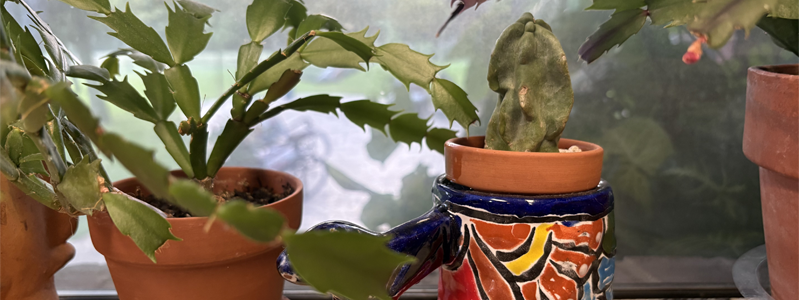
Thrive on Neglect: How to Love Your Succulents by Leaving Them Alone - I recently had the pleasure of interviewing my friend, Deborah Kennedy, for a spot on ourMaster Gardener radio program on KBEC. I have long-admired Deborah for many reasons,including her green... Read More →
What is the AgriLife Extension? - Those of us who are active volunteers for Ellis County Master Gardeners know about our AgriLife Extension and what that is all about. However, some of our readers who are... Read More →
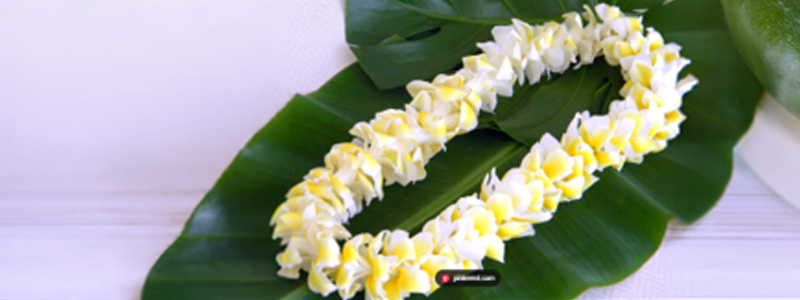
How to Grow Plumeria - Plumeria is a small tree or shrub in the Apocynaceae family. Its flowers are well known in making leis, which the Hawaiian culture uses to greet visitors It is fairly... Read More →
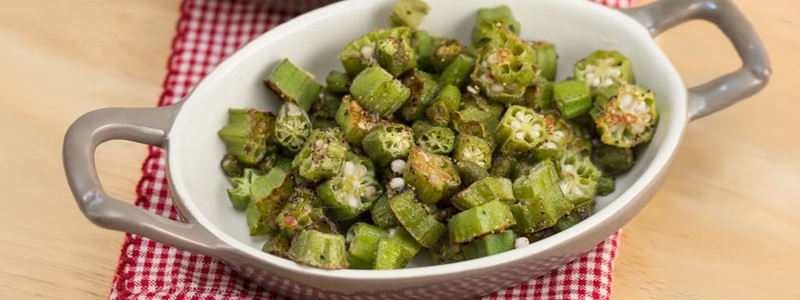
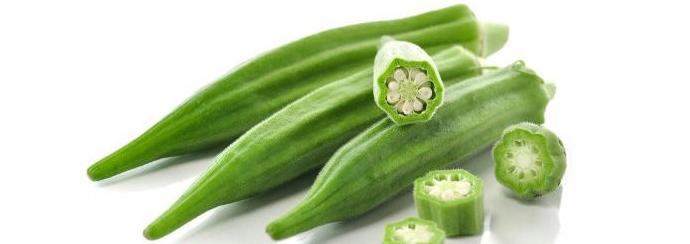
Roasted Okra - Southern Living magazine recommends several tips to avoid slimy okra: use only small, bright green pods; make sure the pods are dry before cooking; cook in small batches; use high... Read More →
Gardening When You Are Tired (or just older…) - Having a great yard and garden is tough when you are getting older. Yard work is impossible when the temperature is over 100 degrees and there hasn’t been a drop... Read More →
Okra 101 - Okra – love it or hate it, it has a rich, worldly history beyond Texas. This hairy annual from the Malvaceae family is believed to have originated near Ethiopia or... Read More →

Filed Under: Newsletter Tagged With: August, Garden, in the garden, Planting, what to do in the garden

March In The Garden

February 28, 2022 by elliscountymastergardeners

“It’s March” … What needs to be done

PLANTING

  • Plant these annuals early in the month for spring color: petunias, larkspurs, foxgloves and stocks. Other annuals such as marigolds, celosia and wax begonias may be planted late in the month.
  • Plant tomatoes, peppers and eggplants from 4-inch pots after March 15th. Plants should be hardened off (gradually exposed to outside conditions) before putting in the ground.
  • Plant warm-season vegetables — beans, corn, squash, melons and cucumbers starting mid-month.
  • Plant herbs in raised beds with soil amended with organic matter. Harden off plants before planting.
  • Plant perennial flowers in amended well-drained soil. Know each plant’s prime blooming season, height, width and color to ensure season-long color. Mulch new plantings.

FERTILIZING AND PRUNING

  • Trees, shrubs, vines and ground covers can be fed with high-nitrogen fertilizer or compost. For patio pots and container gardens, apply a diluted, water-soluble, high-nitrogen fertilizer once a week.
  • Remove old growth from Bermuda grass lawns by lowering mower one or two notches, allowing the grass to spread faster and choke out weeds. Bag the clippings for composting or as mulch.
  • Prune spring-flowering shrubs and vines such as flowering quince, azaleas, forsythia, bridal wreath (Spiraea), Lady Banksia rose and Carolina jessamine immediately after they finish blooming.

GARDEN WATCH

  • If frost or freeze is predicted, cover tender vegetables and annuals with frost cloth. It can make a 6 to 8 degree difference.
  • Beware of close-out sales on bare-root trees as survival rate is low when planted this late in the season. Spend a little more on container-grown plants.
  • Control black spot, powdery mildew and thrips on roses with an appropriate fungicide or systemic insecticide. Use a stream of water or insecticidal soap on aphids.
  • Apply pre-emergent herbicide on lawns to control broadleaf and grassy weeds if needed. A “weed and feed” fertilizer is not recommended because it is too early to fertilize lawns.

Original post by: Monty Grearner

Want to know what to plant this month?  Check out this article. 

Filed Under: Newsletter Tagged With: Garden, March 2022 Newsletter, Planting, Spring

November In The Garden

November 30, 2021 by elliscountymastergardeners

  • download
  • image
  • images (1)
  • images


  “It’s November” … What needs to be done

PLANTING

  • Now through February is the perfect time to plant container-grown trees and shrubs. Dig a hole two times the diameter and one inch shallower than the root ball. Make sure the root ball and the hole are thoroughly wet before planting. Backfill with existing soil and water well.
  • Use the Texas A&M Forest Service Custom Tree Selector for help in selecting the right tree for the right location; click HERE to access the site.
  • Plant pansies and violas now. Bluebonnets can still be planted from transplants.
  • Daffodils and grape hyacinths may be planted once soil temperature drops below 55o F. Plant 2-3 times as deep as the bulb is tall.

FERTILIZING AND PRUNING

  • Feed winter annuals growing in the ground and in outdoor containers with a high-nitrogen, water-soluble plant food every two to three weeks. Also, feed and water cool-season vegetables that you are growing now.
  • Remove the tops of herbaceous perennials after they have died. Add 2-3 inches of mulch to the beds to reduce winter weed growth.
  • Trim patio plants and hanging baskets before moving indoors for the winter. Locate them near bright windows.
  • Refrain from pruning freeze-damaged woody plants at this time. This pruning is best done in late winter.

GARDEN WATCH

  • It’s time to winterize! Disconnect hoses from faucets and drain all hose-end sprinklers. Drain fuel from gasoline-powered engines and run the carburetor dry. Greenhouse owners should check the heating and ventilation systems to ensure proper operation.
  • Check outdoor potted plants for insects (mealybugs, whiteflies, spider mites, aphids, roaches, ants) before moving inside for the winter. Apply a labeled insecticide if needed.
  • When planning new landscapes, select trees, shrubs, and perennials that are winter-hardy in your area. According to the USDA Plant Hardiness Zone map, Ellis County is located in Zone 8 (the average lowest annual temperature is 10o F to 20o F). Therefore, it is best to choose plants listed for Zone 8, or the one or two zones to the north (Zone 6 or 7).

EXTREME GARDENING TOPICS

Extreme Soil – Ellis County’s soil is known as Blackland Prairie soil. It is also known as “cracking clays” because of the large deep cracks that form in dry weather. This high shrink-swell property can cause serious damage to foundations, highways, and other structures. Making sure to keep foundations watered in hot dry conditions can help to offset this “shrink — swell” effect.

FEATURED PLANT

The Christmas Cactus (Schlumbergera bridgesi) is a favorite holiday season house plant, but one which needs careful attention to details if it is to live and flower again the next year. These are

 cacti which in nature live in the crotches of jungle trees, and benefit from light, porous soil mixed with leafmold and sand. Keep the plant in a sheltered place until danger of freezing is over. Water carefully, keeping in mind that overwatering is the major cause of failure with Christmas cactus. Soak the potting medium when watering, then allow the plant to become almost dry before watering again.

November_E-Garden Newsletter

Filed Under: Informative Resources, Newsletter, This Month In The Garden, What to do in the Garden Tagged With: Garden, in the garden, november, Planting, what to do in the garden

Looking for something?

Quick Links

Tune in to KBEC every Saturday at 8:10 AM to get gardening tips, suggestions, alerts, and more, from the Ellis County Master Gardeners!

Click Here to Listen Live!

2026 ECMGA OFFICERS

Elizabeth Green President
Burt Plunkett Vice President, Projects
Sally Severson Vice President, Programs
Jackie Nelson Treasurer
Suzie Timmerman Secretary
Betty Gray Director at Large
Sharon McIver Director at Large
Susan Knapp Past President
Texas A&M AgriLife Extension Service
Texas A&M University System Member
  • Compact with Texans
  • Privacy and Security
  • Accessibility Policy
  • State Link Policy
  • Statewide Search
  • Veterans Benefits
  • Military Families
  • Risk, Fraud & Misconduct Hotline
  • Texas Homeland Security
  • Texas Veterans Portal
  • Equal Opportunity
  • Open Records/Public Information