• Skip to primary navigation
  • Skip to main content
  • Skip to primary sidebar
  • Texas A&M Forest Service
  • Texas A&M Veterinary Medical Diagnostics Laboratory
  • Texas A&M AgriLife Extension Service
  • Texas A&M AgriLife Research
  • Texas A&M College of Agrculture and Life Sciences
Somervell County Master Gardeners
Somervell County Master GardenersTexas A&M AgriLife Extension Service
  • Menu
  • Home
  • About
  • Contact Us
  • AgriLife Extension Service
  • News
  • SCMG Gardening Resources
  • Members Only
    • Members Hour Form
    • Meeting and Financial Documents
    • Constitution and By- Laws

Astronomical Events that Affect Our Environment

August 30, 2022 by Donna Hagar

We’ve all heard of people who really do plant or harvest their gardens by the moon or stars! Join the Somervell County Master Gardeners on Monday, September 12, 6:30 pm at the Somervell County Citizens Center, 209 SW Barnard, Glen Rose, to hear Robert Slaughter discuss just how astronomical events can and do play a part in our environment!

Earth as seen from spaceThe Universe and the Earth’s Natural Environment. How do events that occur millions, even billions of miles from the Earth affect our environment? Does the Earth itself affect our natural world? In this presentation, Robert Slaughter will delve into the processes that can change the world we live in, from the Sun, to the Moon, to highly energetic events that occur billions of miles from the Earth. We will look at these and other processes that affect the world we live in.

Filed Under: CHES, Gardening, Newsletters Tagged With: astronomical, environment, Gardening

Reminder! Fall Gardening Preparation Program

August 11, 2022 by Donna Hagar

It’s almost time!

With the recent tantalizing bits of rain, gardeners can be more optimistic that maybe we can be successful with our fall gardening endeavors! Fall gardening…ah, yes, it really is time to start getting things ready and possibly even in the ground! Come to the Somervell Master Gardener’s Community Horticulture Education program, Fall Gardening Preparation and hear Harold Annis, Tarrant County Master Gardener tell us everything you need to know to give your fall gardens the best chance for success!

August 15, 2022, at 6:30pm at the Somervell County Citizens Center, 209 SW Barnard, Glen Rose, TX 

More details…

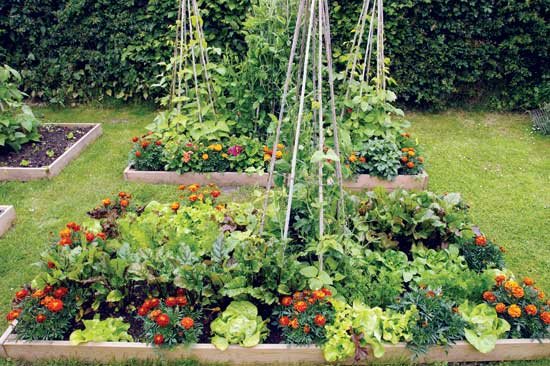
Fall GardeningYes, even with this oppressive heat, we gardeners are ever hopeful! And oddly, now is a good time to get serious about planning and preparing for our fall gardens! Harold Annis, Tarrant County Master Gardener will be presenting a program on just that! Fall Gardening…Fall is a great time to grow vegetables: many of the bugs have gone away and the outside temperature is (hopefully) bearable to humans.

During the class we will discuss the essential elements of vegetable gardening; Site, Sun, Seed, Soil and Season. Harold will give special emphasis to fall gardening with suggestions on how to be more successful and enjoy fall gardening.  

“To plant a garden is to believe in tomorrow”….Audrey Hepburn 

 

Filed Under: Newsletters Tagged With: Fall Gardening, Gardening

Fall Gardening Prep Program

July 26, 2022 by Donna Hagar

Mark your calendars for our Fall Gardening Preparation program!

August 15, 2022, at 6:30pm at the Somervell County Citizens Center, 209 SW Barnard, Glen Rose, TX 

Fall GardeningYes, even with this oppressive heat, we gardeners are ever hopeful! And oddly, now is a good time to get serious about planning and preparing for our fall gardens! Harold Annis, Tarrant County Master Gardener will be presenting a program on just that! Fall Gardening…Fall is a great time to grow vegetables: many of the bugs have gone away and the outside temperature is (hopefully) bearable to humans.

During the class we will discuss the essential elements of vegetable gardening; Site, Sun, Seed, Soil and Season. Harold will give special emphasis to fall gardening with suggestions on how to be more successful and enjoy fall gardening.  

“To plant a garden is to believe in tomorrow”….Audrey Hepburn 
 

Filed Under: Newsletters

Mapping Your Sun Path

July 6, 2022 by Donna Hagar

by Valerie Freund

One important component of successful gardening is knowing how much sun or shade each area of your garden receives throughout the day. For instance, you may want to build a new bed in an area you have not planted before. Because it is new you have probably not paid much attention to the amount of sun that area receives. Or maybe you have a plant that is struggling and needs to be moved to an area that has the proper exposure. For these and other scenarios I refer to the map of my SunPath. This map is a valuable reference tool that I have used for many years.

sun archEvery year, by May 21st until mid-August, as the sun moves east to west each day, its path is about as far north as it will get in our hemisphere. Obviously, this is the hottest time of year in Texas and therefore the most crucial time to know where the sun falls on your property.  A Sun Path map will limit mistakes when purchasing plant material and show you where to place your plants so they will be happy and thrive.

Would you like to know where you can get this nifty tool? It can’t be purchased but you can create your own personal Sun Path map. It is easy to do with a small expenditure of your time and little to no cost. Best of all, once you have completed the map you never have to do it again. If things change, a tree dies, a fence is built, etc. you can easily update your original Sun Path map.

You might be thinking, “Why bother with a map? All I need to do is look outside to see where it is sunny.” However, for most gardeners the exposure changes in any given area of their property throughout the day. Sometimes those changes are dramatic. Even if you have lived in your home for years you are still just making an educated guess without a map of your Sun Path.

By mapping your Sun Path you will find out exactly how much sun and shade you have, what type and where it is. You might be surprised by what you learn. For example, on my previous property of one and one quarter acres, I had close to one hundred mature oak trees. I thought shade was all I had. When I took the time to map my Sun Path I discovered two areas that received enough sun to successfully grow roses!

Before mapping your Sun Path it is helpful to know that there are different degrees of sun and shade. Let’s start with some definitions.

SUN:

  • FULL SUN = minimum of five hours of sun up to all day long; that minimum amount of sun could even be divided into half morning and half afternoon
  • GOOD SUN = minimum five hours of sun but no hot afternoon sun (after 3-4 p.m.)
  • MORNING ONLY SUN = up to but not past 11:00 a.m.

SHADE:

  • DARK = the type you find under a heavy tree canopy or in the shadow of a building or structure
  • BRIGHT = the type you find in a light, open area that does not get direct sun
  • DAPPLED = the type you find under a light tree canopy; the sun peaks through the tree leaves creating splotches of sunlight on the ground

How to Map Your Sun Path

The steps are simple. You will:

  1. Pick a day when you can check your property at least every two hours.
  2. Observe and record your sunny areas throughout the day.
  3. Note the time of day you make each observation. Your observations and recordings should take place starting at 6:00 a.m. and ending at 8:00 p.m.

There are different ways to map a Sun Path so you will need to find the way that is easiest for you to record and understand your observations. To give you a starting point I’ll describe how I map a Sun Path. I will also suggest some additional information that will give you options when mapping your Sun Path.

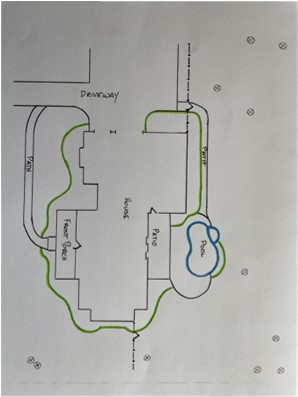
First: I like to work from a bird’s eye view so I start with a plat of my property. Or you can draw your property boundaries free hand (it doesn’t have to be to scale). On the plat I draw the footprint of my house and any other structures that might cast a shadow such as a fence, shed, etc. Then I indicate each of my existing trees or large shrubs by drawing a small circle with an X inside it for each tree or shrub.

drawing1My initial drawing.
The first Sun Path map I created was recorded every hour on the hour but once every two hours works as well.  When I finish my drawing I make copies. If you choose to observe once every two hours make seven copies. If observing every hour make fourteen copies. Label each copy with the date and hour of observation, example: 6:00 a.m., 8:00 a.m., 10:00 a.m., 12:00 p.m., 2:00 p.m., 4:00 p.m., 6:00 p.m.

Next: On the day you have chosen to map your Sun Path gather the copies of your initial drawing, a colored highlighter, a clipboard (or hard surface) and a timer. At 6:00 a.m. make your first observation. Go outside, walk around your property, look at the ground. Using your highlighter on your 6:00 a.m. copy, color in any areas where you see sunlight. Set your timer for two hours and do the same on the 8:00 a.m. copy.


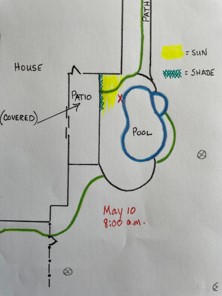
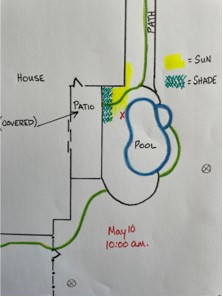
drawing 2drawing 3Here are my hourly observations for 8:00 a.m. and 10:00 a.m.

I focused in on the area that corresponds to the photos below. For instructional purposes I’ve indicated both sun and shade on these drawings. You don’t have to show the shade on your map, it will be evident once you’ve highlighted your sun areas.

Continue to set your timer and record your observations every two hours until the remaining copies are complete. When you have recorded your last observation you are done. Now you have one of the most useful garden tools in the shed.

Additional Information

  • If you prefer, instead of a drawing, you can take pictures of your property and label with the day and hour of observation.

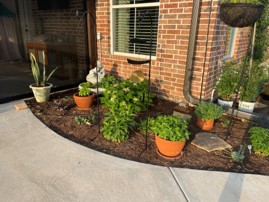
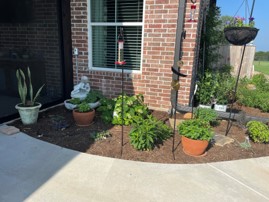
8am photo10am photo

– In these two photos you can see the corner on the left in this bed received somewhat less than two hours of sun and it will be in shade for the rest of the day.  While the right side of the bed will receive much more than that as the day goes on.


  • Your drawing does not have to be drawn to scale.
  • If you don’t want to make this a full day exercise you can do it over two or three days, just be sure to observe at least once every two hours between 6:00 a.m. and 8:00 p.m.
  • There is no wrong way to record your Sun Path. Be creative, do what works for you.

That’s all there is to it. I hope your Sun Path map is an eye opener, helps you make good choices and brings you great gardening success.

*My thanks to Lucy Harrell who taught me how to map my Sun Path many years ago.

Filed Under: Newsletters

Community Education: Composting – 10.04.21

September 19, 2021 by Donna Hagar

Monday, October 4, 2021 at 6pm at the Heritage Park, Farr House and Paluxy Heritage Gardens.

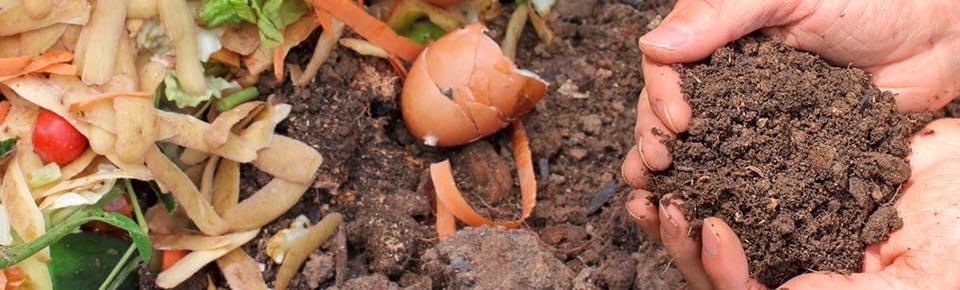
CompostingCome and join the Somervell County Master Gardeners as we welcome our fellow Permian Basin (Midland/Odessa) Master Gardener, Cindy Olive teach all there is to know about composting! Cindy has been gardening most of her life, has been a certified Master Gardener over 12 years and has composted for many of her gardening years. 

Cindy will cover all the bases of composting; think Why, Where, What and How! Learn how you can save money, improve soil health, reduce waste and conserve water with these simple composting methods! We have compost bins already set up and in use, so you can see first hand how the process works!

Cindy will also cover a variety of composting techniques, the various types of composting bins, troubleshooting and even touch on vermicomposting (worm composting).

Composting is for everyone, young and old, avid gardener or even houseplant enthusiast. And it’s environmentally friendly so come and learn how to do your part!

Filed Under: Newsletters

Master Gardener Training Coming in March!

February 4, 2021 by Donna Hagar

Gardening……..ahhh, to dig in the dirt, watch little seedlings sprout and grow into beautiful flowers, plants, vegetables or trees. Nothing can be more satisfying! Is this something that appeals to you? Have you been bitten by the gardening bug and are just not sure where to start? Or, maybe you already garden quite successfully and want to learn more? Maybe you just love to play in the dirt and want more playmates? Whatever the reason, maybe it is time to start thinking about becoming a Somervell County Master Gardener!

Just what is a Master Gardener? Master Gardeners are a dedicated group of ordinary folks who simply have a passion for gardening, desire to further their own knowledge, and wish to further good horticulture practices within our own community. They are volunteers sponsored by the Texas A&M AgriLIFE Extension Service.

To become a Certified Texas Master Gardener, one must complete the training classes and perform additional volunteer hours. By taking the training classes, you will learn not only how to plant things, but also how to keep them healthy. You will also learn to identify and prevent diseases, and how to recognize harmful, as well as beneficial insects. By the end of the class, you will have a variety of tools to help problem-solve gardening issues on your own property, as well as to help friends and members of the community. All along the way you will be mentored by seasoned Master Gardeners!

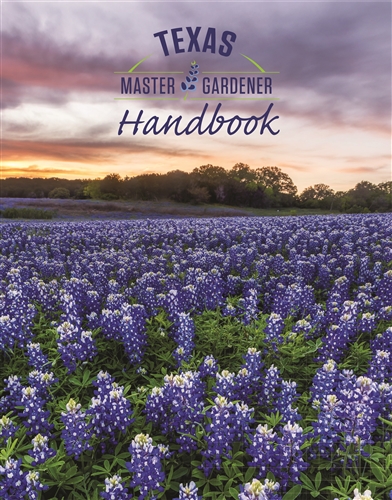
Texas MG HandbookThe next tri-county training is scheduled for March 2021. Classes will be either in person or virtual, typically scheduled from 9am-4pm and will be held on most Tuesdays beginning in April, running through early June. In person classes will be either in Hood, Somervell or Johnson counties or online. Cost of training has not yet been set but will include the new full color Master Gardener Handbook, access to all training, online and in person and all field trip fees.

For more information and to register, please contact Janna or Jordan at the Somervell County Extension Office at 254-897-2809. Don’t wait as class size is limited!

Filed Under: Newsletters

Community Horticulture Program – How to Prune Trees and Shrubs

October 21, 2019 by Donna Hagar

Monday, October 28, 2019, 6:00 pm
209 SW Barnard

Steve Chaney

Steve Chaney, Tarrant County Horticulture Agent

Whether by man or nature, all plants are eventually pruned. Proper pruning can enhance your landscape and improve the health of your trees and shrubs. Come hear Steve Chaney, Tarrant County Horticulture Agent, speak on pruning at a joint educational meeting of the Somervell County Master Gardeners and the Prairie Rose Chapter of the Native Plant Society of Texas. Learn the best methods, times, and equipment to use for pruning native and non-native trees and shrubs alike, at 6:00 pm, October 28, 2019 at the Somervell County Citizens Center located at 209 SW Barnard Street in Glen Rose. This program is free and open to the public.

Filed Under: Future Events, Newsletters

Gardening Terminology

October 21, 2019 by Donna Hagar

Let’s take a moment to have a short class in some basic Gardening Terminology.

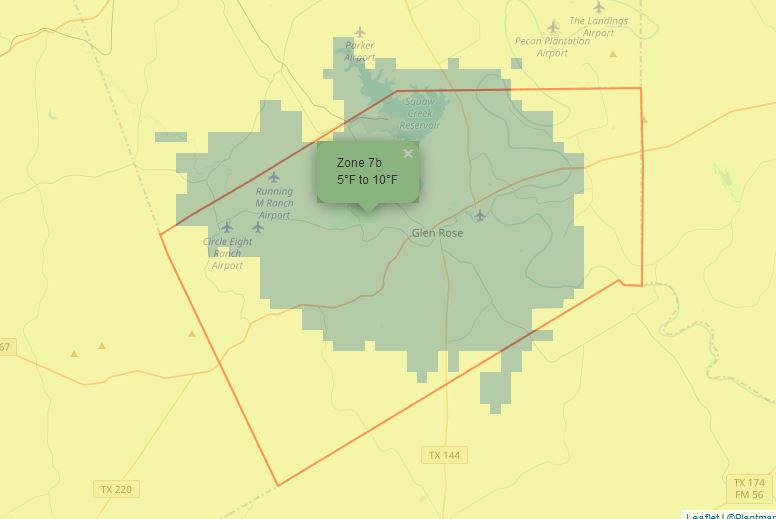
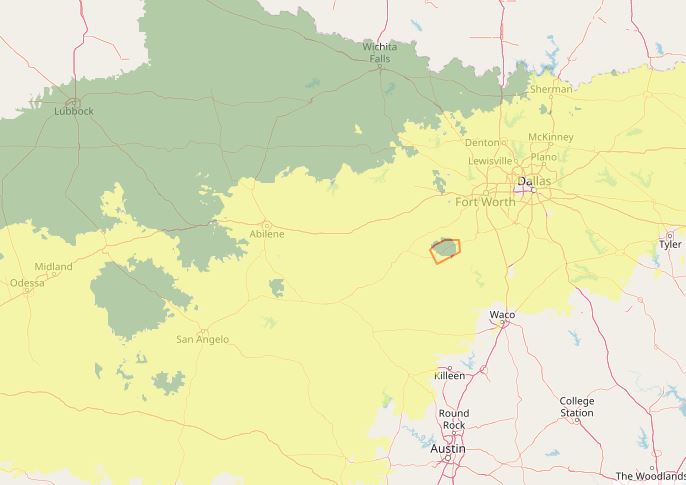
Hardiness zone:  Expressed as a number and letter combination from 1a to 13b, the US Department of Agriculture has assigned a zone to every geographic area of the United States based on the average annual minimum winter temperature. Tags on plants sold commercially often identify the zone(s) in which the plant will grow. The bulk of Somervell County is in a bit of an island in Zone 7b (5º to 10º) while the outlying areas to the east and west are Zone 8a (10º to 15º). Click each photo to see a closeup of Somervell County and the bulk of Zones 7b and 8a in Texas.
Somervell Hardiness ZonesNTexas Hardiness Zones 7b-8a

Microclimate. Climate affected by landscape, structures, or other unique factors in a particular immediate area. The north or sound side of a structure, under a shade tree, next to a stream bed, all can play a part in changing the localized climate for a small area. These need to be considered when designing a complete landscape. To further complicate matters, microclimates can develop or change over time with the growth or death of landscape plants, trees or shrubs, as well as the addition or subtraction of structures and hardscapes.

N-P-K:  Acronym for the three major plant nutrients contained in manure, compost, and fertilizers. N stands for nitrogen, P for phosphorus, and K for potassium. Very basically, nitrogen promotes leaf development, phosphorus plays a key role in the growth of roots, blooming, and fruiting, and potassium also plays a part in root growth as well as in stem development.

Compost. Simply defined, compost is organic matter that has decomposed in a process that recycles this ‘once living’ material into usable, nutrient dense matter. Compost is used in the garden or landscape to add a natural fertilizer or soil conditioner to the soil.

Mulch. Material used on the soil surface to aid in preserving soil moisture, reducing weeds and provide aesthetic appeal. When an appropriate organic mulch is used, it can also aid in improving the fertility of the soil as in breaks down over time. Mulches can also be inorganic, such as rocks, rubber or even sheet plastic. These inorganic materials will aid in the suppression of weeds and assist with soil moisture retention but will do nothing to add nutrients to the soil.

Integrated pest management. A method of managing pests that combines cultural, biological, mechanical, and chemical controls, while taking into account the impact of control methods on the environment. An entire article would be needed to fully explain the concepts of IPM!

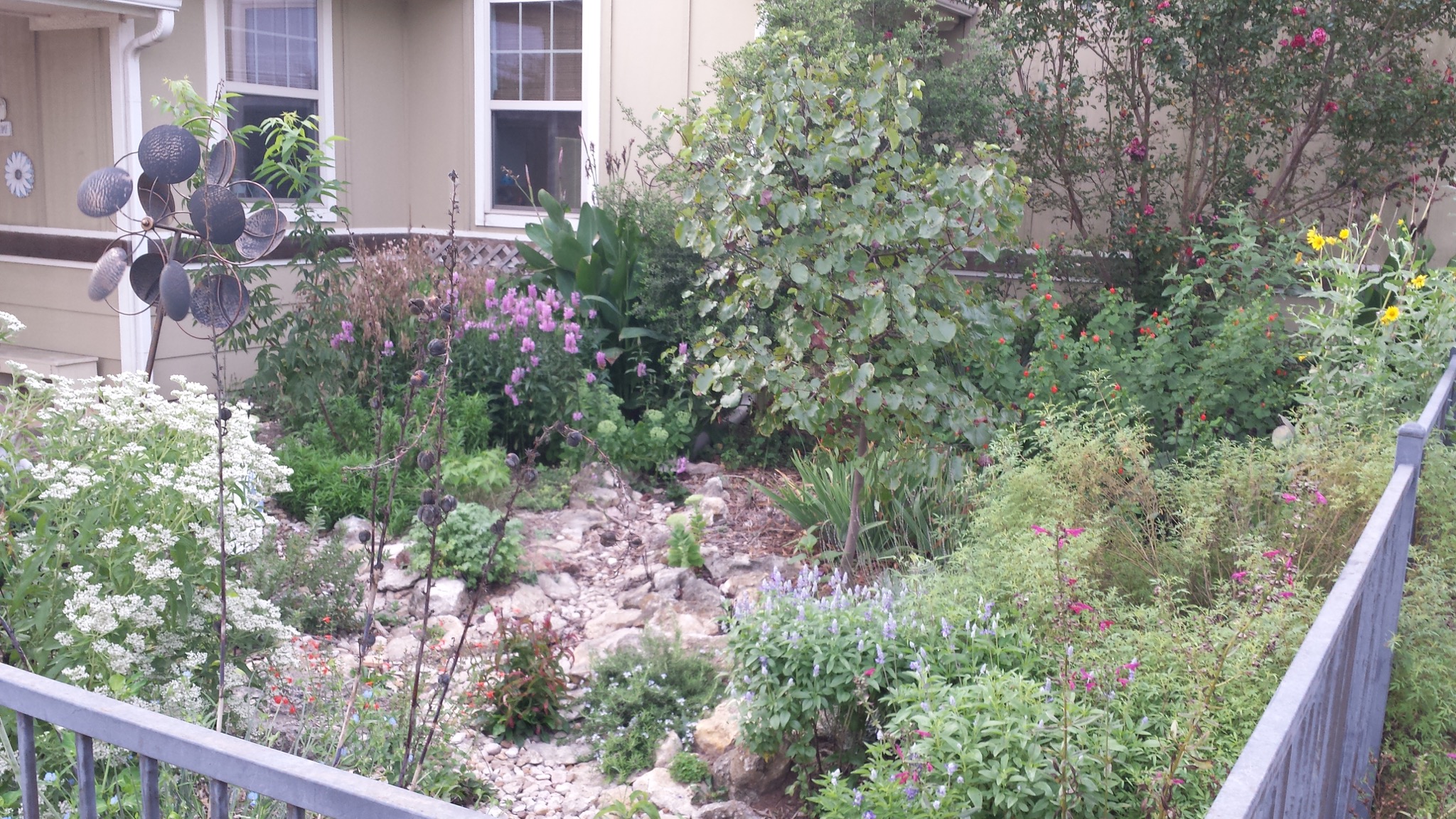
Xeriscape.DHagarLandscape Pronounced zeh·ri·skeip. A combination of two critical horticulture terms, xeric, meaning low to no water use and landscape, meaning the visible features of a piece of land altered by planting trees, shrubs or ornamental items. Xeriscape landscaping is quality landscaping that conserves water and protects the environment. This concept is a comprehensive approach to landscaping for water conservation. Note – xeriscape does NOT mean no landscape plants. Many xeriscapes are actually quite lush!

Zeroscape. Often confused with and a mispronunciation of xeriscape. Zeroscape is a landscape made up of dirt or gravel with essentially no plants in it. There is no planning or design involved in zeroscape landscapes. Zeroscape yards are typically extremely plain.

Annual: Plants started from seed that grow, mature, flower, produce seed, and die in the same growing season. They may return from seed each year, but not from the roots of the original plants.

Biennial: Plants that take two years, or a part of two years, to complete their life cycle. By freely reseeding, a biennial plant may seem to come back year after year, but you are actually seeing new plants, with some germinating one year and others the following year. Standing Cypress is a great example of a wildflower in this area that is a biennial, as well as parsley in the garden.

Perennial: A plant that lives more than two years and produces new foliage, flowers, and seeds each growing season. Tender perennial:  A perennial that is not tolerant of frost and cold temperatures. Applying a winter mulch can help it survive. It may die off above ground and regrow from the roots. Esperanza or Yellow Bells is a tender perennial in our area. Woody perennial: A plant that goes dormant in winter and begins growth in spring from above-ground stems. Deciduous trees and many shrubs are woody perennials. They drop their leaves in the winter and regrow from branches in the spring. Herbaceous perennial: A plant that dies back in the winter and regrows from the crown in spring. Most of your bulbs would fall into this category, as does asparagus.

Exotic: A plant of foreign origin or character; not native; introduced from abroad, but not fully naturalized.  Naturalize: The process whereby plants spread and fill in naturally.

Native plant: A plant indigenous to a specific habitat or area. Nativar: A plant that is a cultivar of a native plant. Cultivar: A cultivated variety of a species. Propagation of cultivars results in little or no genetic change in the offspring, which preserves desirable characteristics.

Invasive. Growing vigorously and outcompeting other plants in the same area; difficult to control. Even some of our native plants can become invasive. Our local common cedar trees, or Ashe Juniper, is a good example of a native but invasive plant.

Noxious weed. Weeds that have been declared by law to be a species having the potential to cause injury to public health, crops, livestock, land, or other property. Noxious weeds are very invasive. There are 31 plants in Texas that meet the legal criteria. Fortunately, there is only a handful of these found in Somervell County!

Filed Under: Newsletters

Master Gardener Open House

February 13, 2019 by Donna Hagar

Calling all Gardeners! Join us for the Somervell Master Gardener Open House/Meet and Greet on Wednesday, February 20th at 10am at the Somervell County Extension Office, 1405 Texas Ave., Glen Rose, directly behind the Expo Center.

At this event, you can learn all about what it takes to become a Master Gardener, you will meet current Master Gardeners, our Master Gardener coordinator, Ellerie Jackson, as well as other individuals who will be taking the Master Gardener Training Course. You will have the opportunity to ask questions about the MG program and more importantly, you can sign up to take our Master Gardener Training Course, which starts April 2, 2019!

We will have a short program on postage stamp gardening, given by one of our Master Gardeners. As this is our regularly scheduled monthly meeting, you can sit in with us as we conduct our short business meeting and learn what projects we are working on.

Come and let us show you why you will want to be a part of this fun and exciting group! 

Filed Under: Future Events, Newsletters

Going Under the Plastic – Part 3

October 2, 2017 by Donna Hagar

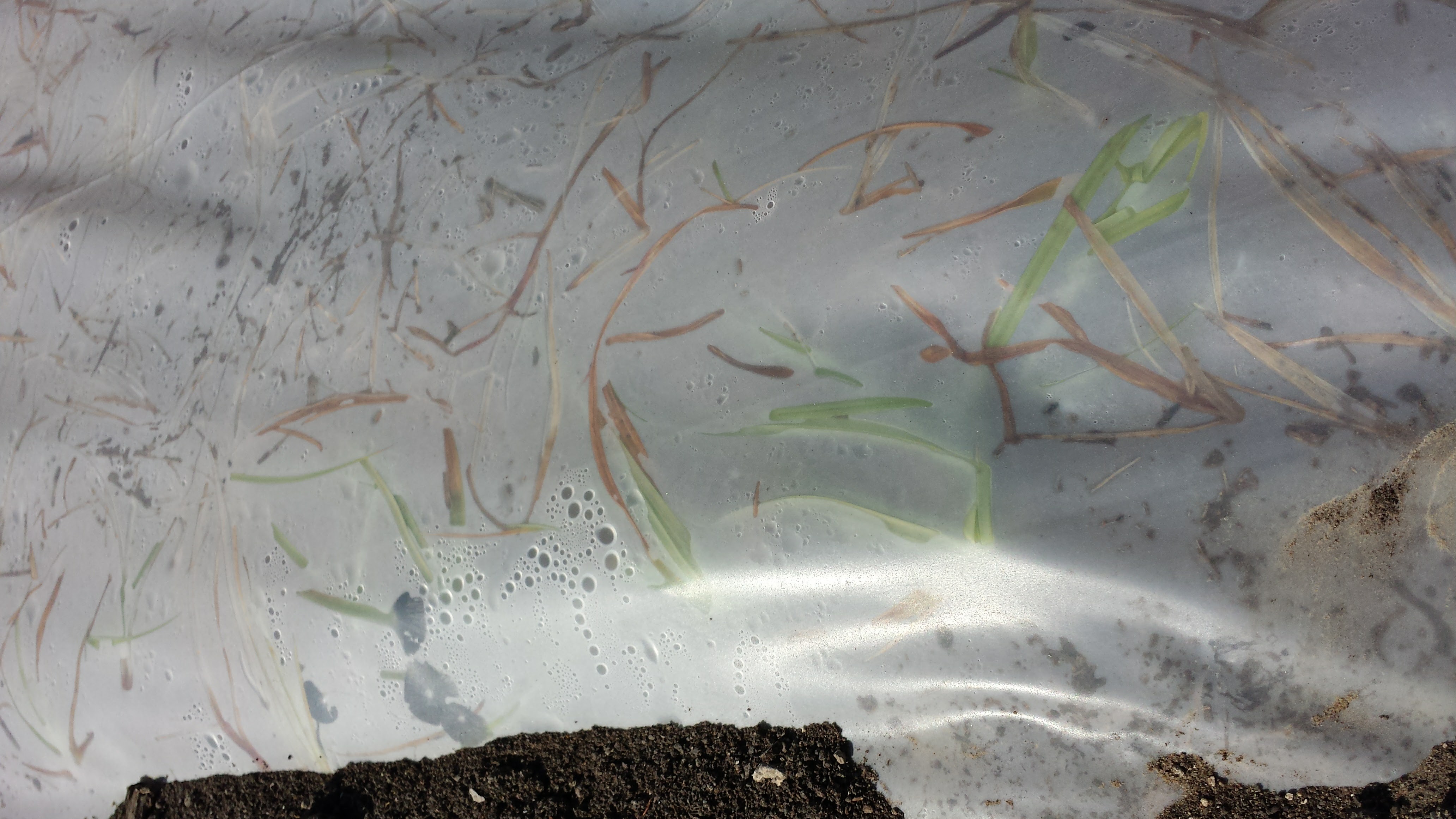
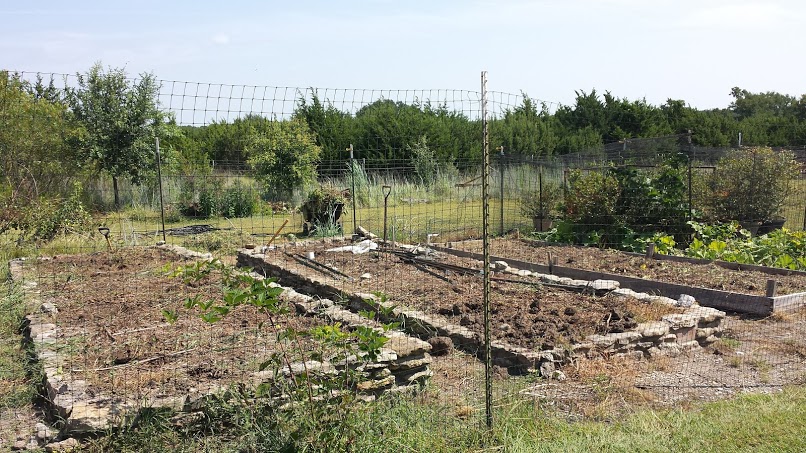
We are just over 2 months into this experiment. I’m trying to remain patient! We haven’t had the typical 100 or high 90 degree temperatures typical for August and September as in most years. For this solarization to work, we need heat! Not that I’m disappointed in our cooler than normal summer, mind you! But this may take more time than I had hoped!

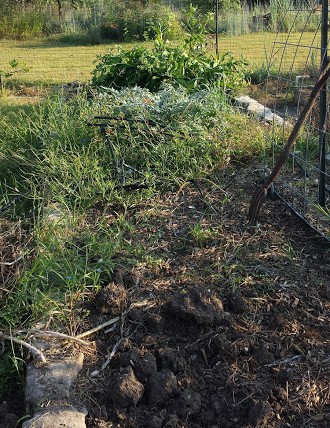
You can see by the first picture that nutsedge has most definitely grown under the plastic but it is also dying. I am concerned that there is still the green growth. And in an area that is shaded in the mornings, there is even more green growth and from more than just nutsedge. But I am encouraged that I do see weed DEATH!!

Now, because of the way we secured the plastic, if you read from my first post, we used a channel of soil at the edges of the raised beds to cushion the t-postsNutsedge thru Plastic and/or 2x4s. Great idea….until I looked closely. OMG there is nutsedge growing in this soil cushion! I don’t know if it came in the soil itself or through the plastic. So I investigated further. While I didn’t get my answer as to its origin, I certainly got the result. The nutsedge indeed has penetrated the plastic!! Yikes, that is serious stuff! No final results yet as I intend to leave the plastic on for at least a couple more months. I’m encouraged, with reservations!

Filed Under: Newsletters

  • « Go to Previous Page
  • Page 1
  • Page 2
  • Page 3
  • Page 4
  • Interim pages omitted …
  • Page 6
  • Go to Next Page »

Upcoming Events

Notice
There are no upcoming events.

Get Updates

Subscribe to Our Newsletter

RSS Recent Posts

  • Poinsettias – Our Favorite Christmas Plant
  • Arbor Day Means Tree Planting in Texas
  • PWordPesticides
  • A Somervell County Master Gardeners Public Education Event

Administrator Only

  • Log in
  • Entries feed
  • Comments feed
  • WordPress.org
Texas A&M AgriLife Extension Service
Texas A&M University System Member
  • Compact with Texans
  • Privacy and Security
  • Accessibility Policy
  • State Link Policy
  • Statewide Search
  • Veterans Benefits
  • Military Families
  • Risk, Fraud & Misconduct Hotline
  • Texas Homeland Security
  • Texas Veterans Portal
  • Equal Opportunity
  • Open Records/Public Information