by Linda Heideman, Somervell County Master Gardener
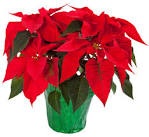 No flower says Christmas in the United States like the beautiful Poinsettia. It is part of the large and diverse Spurge family, botanically known as Euphorbia pulcherrima.
Poinsettias received their name in the United States in honor of Joel Roberts Poinsett, who introduced the plant into the country in 1828. Poinsett was a botanist, a physician, and the first United States Ambassador to Mexico. He sent cuttings of the plant he had discovered in Southern Mexico to his home in Charleston, South Carolina. The word Poinsettia is traditionally capitalized because it is named after a person. December 12th is Poinsettia Day, which marks the death of Poinsett in 1851.
Today the plant is known in Mexico and Guatemala as “La Flor de la Nochebuena” (Flower of the Holy Night, or Christmas Eve). In Chile and Peru, the Poinsettia is called the “Crown of the Andes”. In Spain it has a completely different holiday attribution: “Flor de Pascua” meaning “Easter Flower”.
Poinsettias have also been called the lobster flower and the flame-leaf flower, due to the red color, but today there are more than 100 varieties in many solid colors, or even marbled and speckled varieties. The Paul Ecke Ranch in California grows over 70% of all Poinsettias purchased in the United States and does about 50% of the world-wide sales.
The showy colored parts of Poinsettias that most people think of as the flowers are actually colored bracts (modified leaves). The yellow flowers, or cyathia, are in the center of the colorful bracts. The plant drops its bracts and leaves soon after those flowers shed their pollen. For the longest-lasting Poinsettias, choose plants with little or no yellow pollen showing. The colors of the bracts are created through “photoperiodism”, meaning that they require darkness (12 hours at a time for at least five days in a row) to change color. On the other hand, once they finish that process, the plants require abundant light during the day for the brightest color.
In nature, Poinsettias are perennial flowering shrubs that were once considered weeds. But they are not frost-tolerant. They will grow outdoors in temperate coastal climates, such as Southern California beach communities. In the ground, they can reach 10 feet tall!
Despite rumors to the contrary, Poinsettias are not poisonous. Some people with latex allergies have had a skin reaction, most likely to the sap in the leaves. A study at Ohio State University showed that a 50-pound child would have to eat more than a pound-and-a-quarter of Poinsettia leaves (500 to 600 leaves) to have any side effects. The most common side effects are upset stomach and vomiting, The leaves are reportedly not very tasty, so it’s highly unlikely that kids or even pets would be able to eat that many! But be aware that leaves can still be a choking hazard for children and pets.
If you’re up for the challenge, it is possible to keep your Christmas Poinsettia through the year and get it to bloom next year, but recreating the size and color of this year’s bracts is almost impossible. These plants are plentiful and cheap. Why not just look forward to new ones every year? They will keep a few weeks if you put them where it’s cool (65 to 70 degrees), where the light is bright in the daytime, and let them dry out between waterings. Remove the pretty outside wrapping and don’t let them stand in water.
Good luck!