• Skip to primary navigation
  • Skip to main content
  • Skip to primary sidebar
  • Texas A&M Forest Service
  • Texas A&M Veterinary Medical Diagnostics Laboratory
  • Texas A&M AgriLife Extension Service
  • Texas A&M AgriLife Research
  • Texas A&M College of Agrculture and Life Sciences
Galveston County Master Gardeners
Galveston County Master GardenersTexas A&M AgriLife Extension Service

Members Only

  • Menu
  • GCMGA Home
  • About
    • About
    • Visit Us
    • Texas Master Gardener Training Course
  • Calendar
  • Gulf Coast Gardening Newsletters
  • Requests
    • Speaker
    • Ask a Master Gardener Booth
    • Group Tour @ Discovery Garden
  • Resources
    • Resources Home
    • Beneficials in the Garden
    • GCMGA Publications
    • Gardening Problems Handbook
    • GCMGA YouTube Channel
  • Shop
  • Submit a Gardening Question
Home > Beneficials in the Garden and Landscape > Is a “Good Bug” Always a Good Bug? Is a “Bad Bug” Always a Bad Bug?

Is a “Good Bug” Always a Good Bug? Is a “Bad Bug” Always a Bad Bug?

We need to learn to value insects and other beneficials for the vital roles they play in keeping our gardens healthy. Learn to recognize the good guys because they are essential allies in keeping the bad guys in check. Work with them in creating a well-balanced vibrant garden.

  • beneficial-00A-GCMGA1875_image_of_beneficials
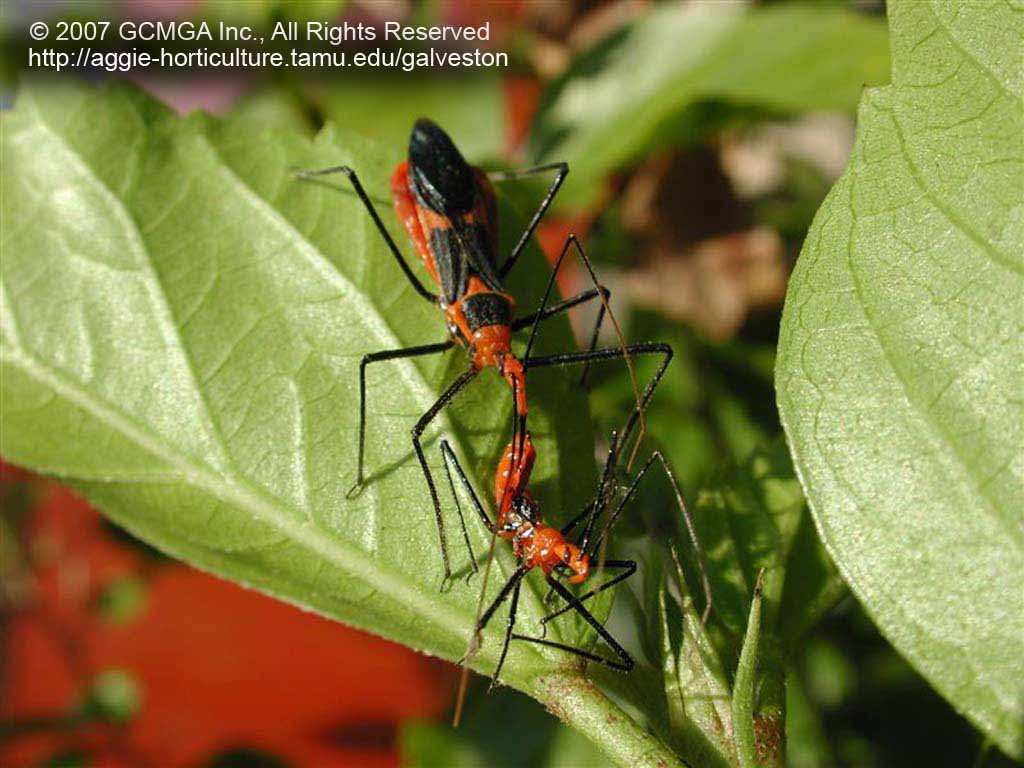
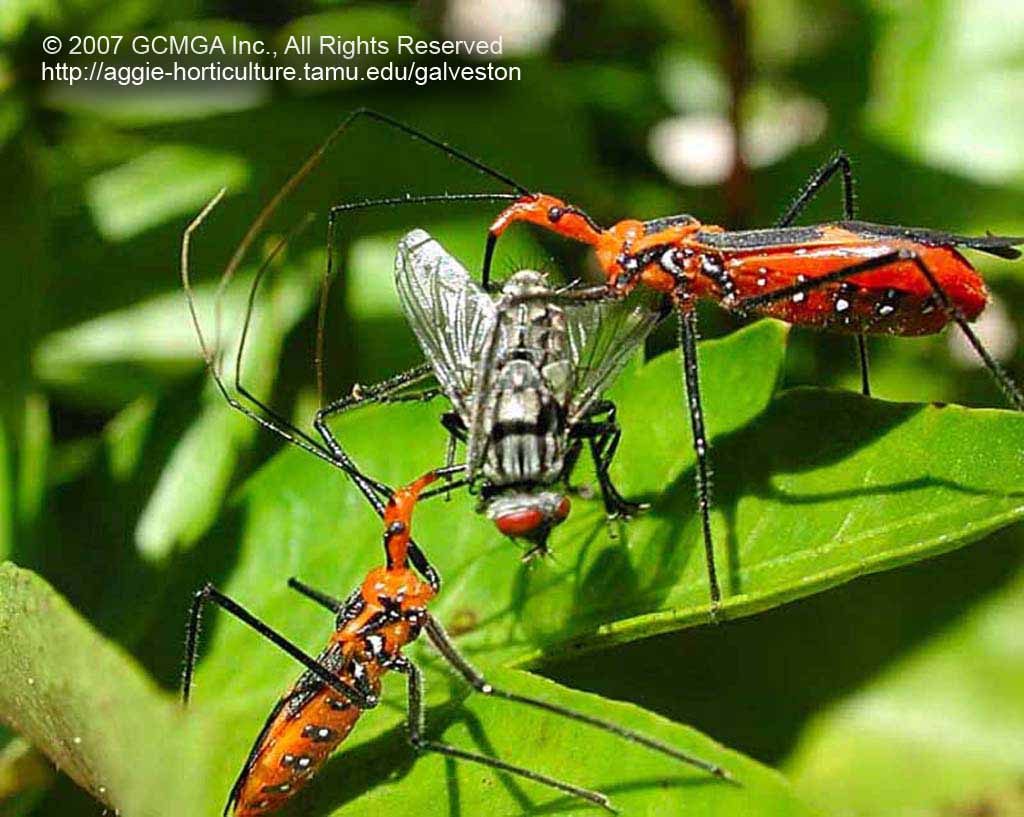
    FIGURE 1. I got Good Bugs and I have Bad Bugs. Pictured
    above are two milkweed assassin bugs (Zelus longipes)
    dining on a fly. We would likely prefer to have
    uncomplicated categories when it comes to what's a
    Good Bug and what's a Bad Bug. In reality, an insect's
    goodness or badness is in the eye of its human beholder.
  • beneficial-00B-GCMGA1762_image_of_beneficials
    FIGURE 2. Milkweed assassin bugs are solitary insects. On occasion, adults will prey on smaller-size immatures (known as nymphs) when they are in very close proximity. Although not very common, insect predators that are general feeders are more likely to be cannibalistic when the opportunity present itself.
  • beneficial-00-C=Fig3_GCMGA1714_image_of_orange_dog
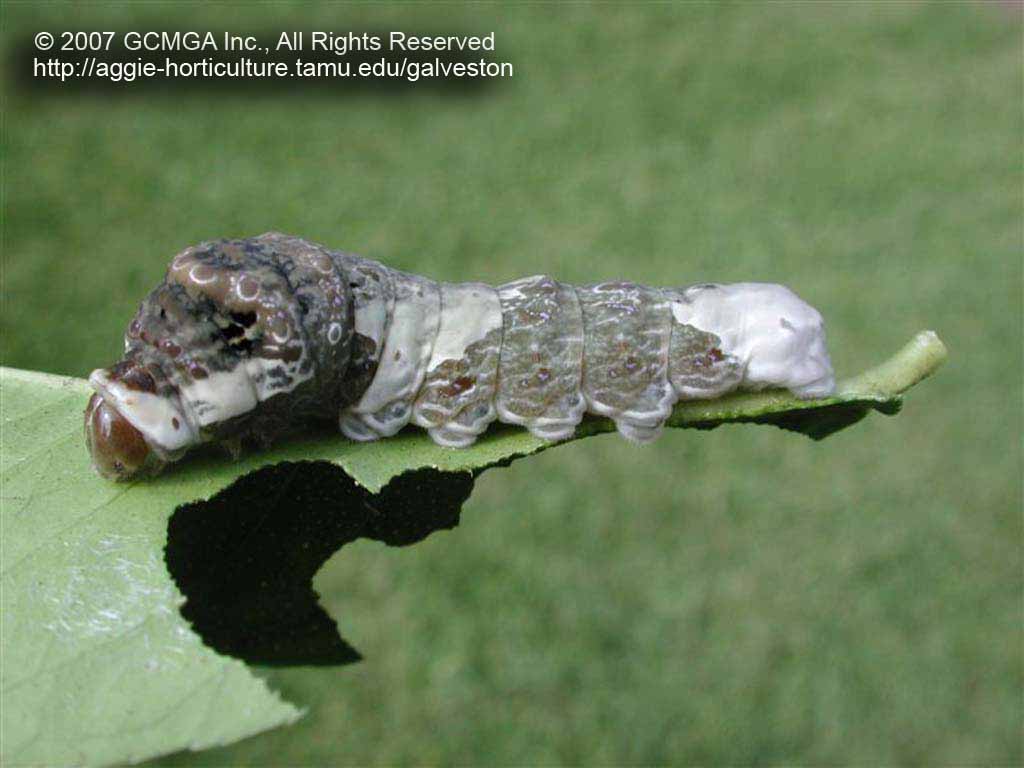
    FIGURE 3. If you are an avid citrus grower, orange dog caterpillars are not likely to be on the welcome list for insects. In contrast, some avid butterfly enthusiasts grow citrus as a food source for these caterpillars which are the larval stage of the colorful giant swallowtail butterfly (Papilio cresphontes).
  • beneficial-00-C=Fig4_GCMGA5225_image_of_beneficials
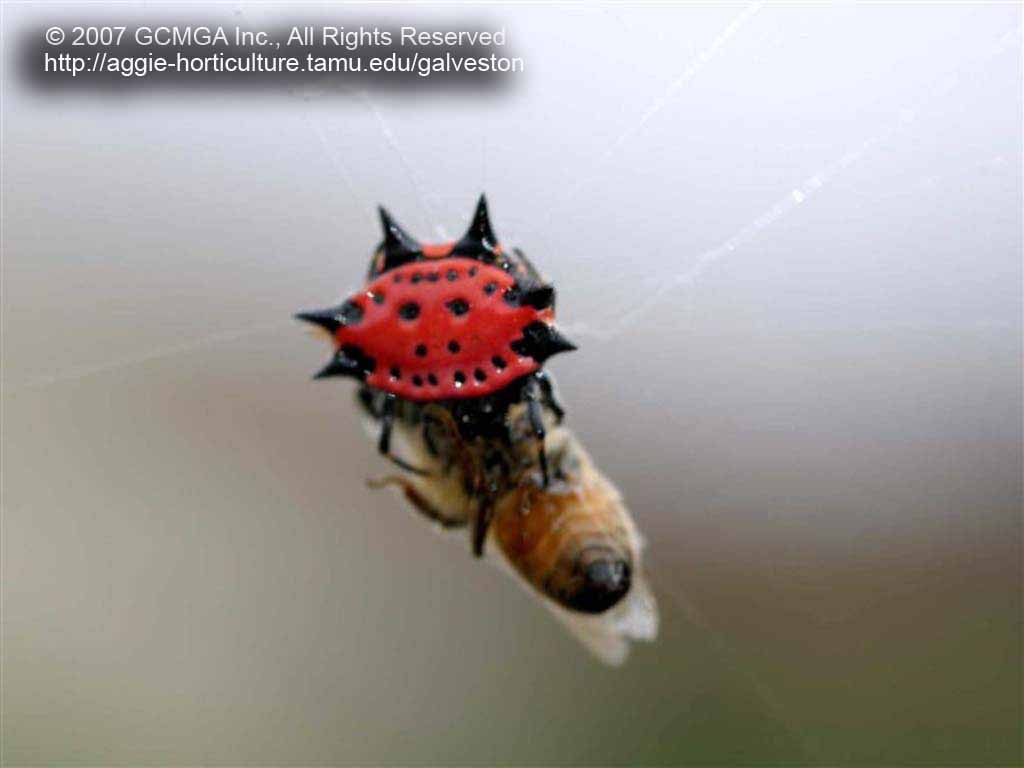
    FIGURE 4. Spiders are excellent predators and general feeders of flying insects. Honey bees are fair game but spiders are not likely to have a significant impact on overall honey bee populations.


Is a good insect always a good insect? To be precise and concise, the answer is No.

Is a bad insect always a bad insect? The answer to that question is also No.

Let me clarify. In the world of nature, an insect is neither good nor bad. Each one is considered to have an essential role in maintaining a balanced, healthy ecosystem. Maintaining a balance seems to be one of nature’s primary objective.

Introduce the human perspective and the whole picture changes. Since our goals are somewhat different, we typically define an insect as good or bad according to whether or not that insect assists us in meeting our goals.

Most of us have been taught to respect the praying mantis family as beneficial because it preys on a variety of garden pests. Actually, the praying mantis will eat anything that it can catch that doesn’t harm or eat it first. Its menu can and does include other beneficial insects. It even eats other members of its own family if given an opportunity! The praying mantis isn’t  the only beneficial that be cannibalistic. Lacewing larvae will devour their siblings on occasion, and even our revered milkweed assassin bug (photographed by the Master Gardener Photography Team) can find itself on the business end of another milkweed assassin bug’s deadly beak (Figure 2).

Even the lady beetle family, most of whose members happen to prey on things humans classify as pests, has a few bad members. Consider the Mexican bean beetle. It can wreak havoc on the leaves of bean plants and, consequently, have an adverse effect on yields.

What about those insects most gardeners consider pests . . . the Bad Bugs? Avid butterfly gardeners are delighted to see larvae of the beautiful giant swallowtail butterfly on a Meyer lemon tree. In contrast, an avid citrus grower would probably scramble for his favorite pest control agent if he encountered the same larvae (known as orange dog caterpillars).

An assassin bug, usually a horticulturist’s best friend, is not likely to see a Welcome . . . My Garden Is Your Garden sign in a butterfly gardener’s garden. Why? Because assassin bugs are effective predators of caterpillars and a butterfly gardener wants caterpillars to eat plants so everyone can enjoy the beauty of butterflies!

One last poignant perspective. Is a honey bee a “good” insect or a “bad” insect? The likely response is that the honey bee is a good insect because it provides honey and pollinates our plants. But if a honey bee stings you . . . then is it a good bug or is then a bad bug?

Whether or not an insect benefits or harms mankind is quite incidental to its main business, which is to ensure its own survival and that of its species. Truly, an insect’s goodness or badness is in the eye of its human beholder.

Upcoming Events

Sep 10
9:00 AM - 11:00 AM

Discovery Garden: Open Garden Days

Sep 10
10:00 AM - 11:00 AM

Landscape Design by B. Etie @ Weed & Wish Garden Club

Sep 12
Featured 9:00 AM - 11:00 AM

Urban Orchard Series – T-Bud Grafting

Sep 12
10:00 AM - 3:00 PM

Ask a MG Booth by K. Mehlman & M. Leonard @ Moody Gardens STEAM by the Sea

Sep 12
12:00 PM - 3:00 PM

Ask a MG Booth @ Girl Scouts of San Jacinto

View Calendar

Facebook

Texas A&M AgriLife Extension Service
Texas A&M University System Member
  • Compact with Texans
  • Privacy and Security
  • Accessibility Policy
  • State Link Policy
  • Statewide Search
  • Veterans Benefits
  • Military Families
  • Risk, Fraud & Misconduct Hotline
  • Texas Homeland Security
  • Texas Veterans Portal
  • Equal Opportunity
  • Open Records/Public Information