Texas A&M horticulturalist offers garden advice to enter cool season with confidence
OCTOBER 30, 2023
https://agrilifetoday.tamu.edu/2023/10/30/15-tips-to-prepare-your-garden-for-winter-2/
OCTOBER 30, 2023
https://agrilifetoday.tamu.edu/2023/10/30/15-tips-to-prepare-your-garden-for-winter-2/
Here is an excellent video webinar for anyone who thinks they would like to become a farmer. This vidoe covers all the subjects you should think about before starting a farm and includes where you can get help.
Click the link below; on the new page, click the download button and then clike the download file size to choose to save the mp4 file to your computer. Then go to the directory where you saved the mp4 and click the file to watch the webinar. If you have any questions, you can email me at apisgardens@gmail.com
https://vimeo.com/892673703?share=copy#t=0

Sponsored – The following content is created on behalf of Sorelle Farms and does not reflect the opinions of Gray Media or its editorial staff. To learn more about Sorelle Farms, visit https://bobwellsnursery.com/.
Winter is a great time to prepare your fruit trees to flourish in the upcoming spring. With proper winter preparation and maintenance, you can ensure that your fruit trees not only survive the winter but also thrive in the coming growing season. In this article, we’ll discuss essential steps to take care of your fruit trees during the winter months.
Pruning
One of the first steps in preparing your fruit trees for winter is pruning. Pruning serves multiple purposes, including removing dead or diseased branches, improving air circulation, and controlling the tree’s size and shape. It’s best to complete major pruning tasks during winter while the tree is in full dormancy, but minor pruning to remove dead or damaged branches can be done anytime during the winter months. Pruning during this time helps reduce the risk of disease transmission and allows the tree to focus its energy on root development and healing.
Pest and Disease Management
Winter provides an opportunity to address pest and disease issues before they become a problem in the spring. Inspect your fruit trees for signs of pests and diseases, such as scale insects, aphids, or fungal infections. Applying dormant oil once a month from November through March is an effective treatment to reduce pest and disease issues once the trees begin to flush out. Cover the entire tree from trunk to the tips of the branches.
Watering
Even though your fruit trees may be dormant during the winter, they still need occasional watering. If we experience dry spells or extended periods without precipitation in East Texas, make sure to water your trees deeply but infrequently. Watering prevents the roots from drying out and ensures that the trees are adequately hydrated when they break dormancy in the spring. If a hard freeze is expected (generally below 25 degrees for an extended period) water young trees heavily to protect the roots from freezing.
Protection from Cold & Harsh Conditions
It is recommended to protect your fruit trees from frost cracks, sunscald and freezing during harsh winter conditions. Your best option is to apply a paint or coating to the trunk of the tree with a paintbrush. There are several organic options such as IV Organics White Wash, or simply dilute a latex paint 50/50 with water and apply directly to the tree trunk.
Winter Fertilization
Late fall or early winter is an ideal time to apply a balanced fertilizer to your fruit trees. This provides them with the nutrients they need to support growth when the spring arrives. Use an organic fertilizer and be sure to follow the recommended application rates for your specific tree species. Follow-up applications can be made once the trees begin to flush in the spring.
Prune Dead and Broken Branches After Storms
Throughout the winter, be vigilant for storm damage. Snow, ice, and strong winds can cause branches to break or bend. Promptly remove any broken or damaged branches to prevent further harm to the tree and reduce the risk of disease entering through wounds.
Conclusion
Proper winter preparation and maintenance are crucial for the health and productivity of your fruit trees. With a little care and attention during the cold months, you’ll enjoy a bountiful harvest when spring arrives, making all your efforts worthwhile.
For more information, click here or visit us at Sorelle Farms in Mineola.
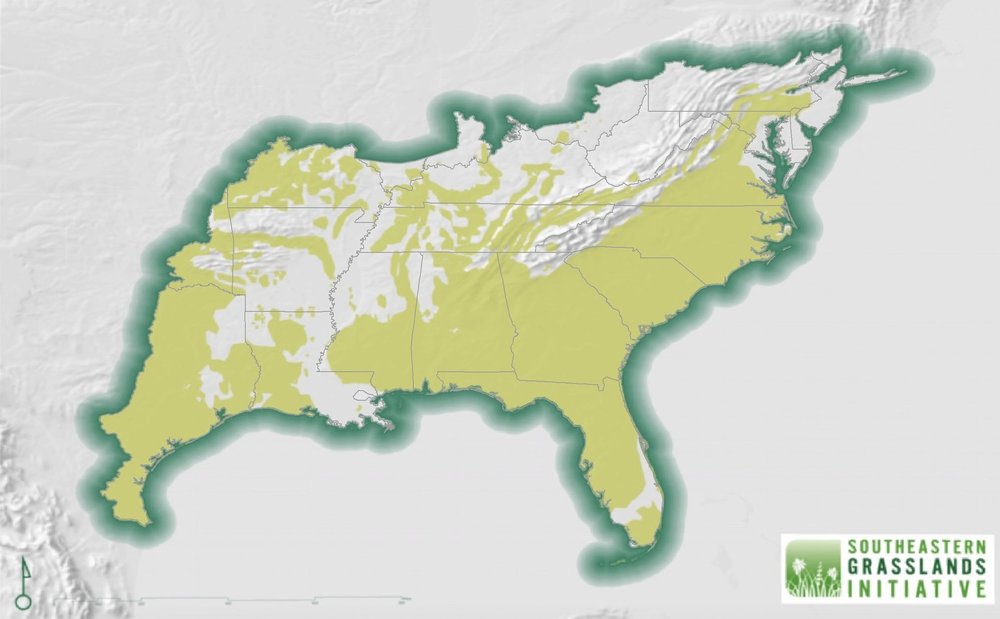
Grassland loss is the single greatest conservation issue currently facing eastern North American biodiversity. Our precious Southern grasslands are nearly extinct and the species that depend on them are fading fast. Many of our Southern grasslands that managed to persist through the past 200 years have disappeared in the past quarter-century. What will the next 25 years bring? As a conservation community we are only now realizing how extensive our grasslands used to be. The losses have been truly staggering. If we want to reverse the tide of grassland biodiversity loss, our response must be rapid as well as unparalleled in its magnitude. This is an immensely complex and ambitious challenge that will take some of the brightest and most creative minds in American conservation to solve. Find out how you can join the Southeastern Grasslands Institute to rebuild the South’s forgotten grasslands.
Nitrogen (N): Nitrogen is a crucial element for plant growth and is essential for the production of chlorophyll, which helps plants photosynthesize. Nitrogen is responsible for the green color in leaves and is important for the growth of stems and foliage.
Phosphorus (P): Phosphorus is necessary for root development, seed production, and overall plant growth. It is important for the transfer and storage of energy in plants and helps plants withstand stress and disease.
Potassium (K): Potassium is important for plant growth and is responsible for regulating water balance in plants. It helps plants resist drought, disease, and pests, and is important for the development of strong stems and roots.
Secondary Nutrients: Secondary nutrients are also important for plant growth and include calcium, magnesium, and sulfur. Calcium is important for cell wall development, while magnesium is essential for photosynthesis. Sulfur is important for the production of amino acids and proteins.
Micronutrients: Micronutrients are essential for plant growth in smaller quantities than the primary and secondary nutrients. They include iron, manganese, zinc, copper, boron, molybdenum, and chlorine. These elements are required for specific functions in plant metabolism and growth.The specific ratios and quantities of these components will vary depending on the type of plant being grown, the soil conditions, and other environmental factors. It’s important to choose a fertilizer that is appropriate for your specific needs and to follow the instructions carefully to avoid over-fertilizing or causing harm to your plants.