Welcome
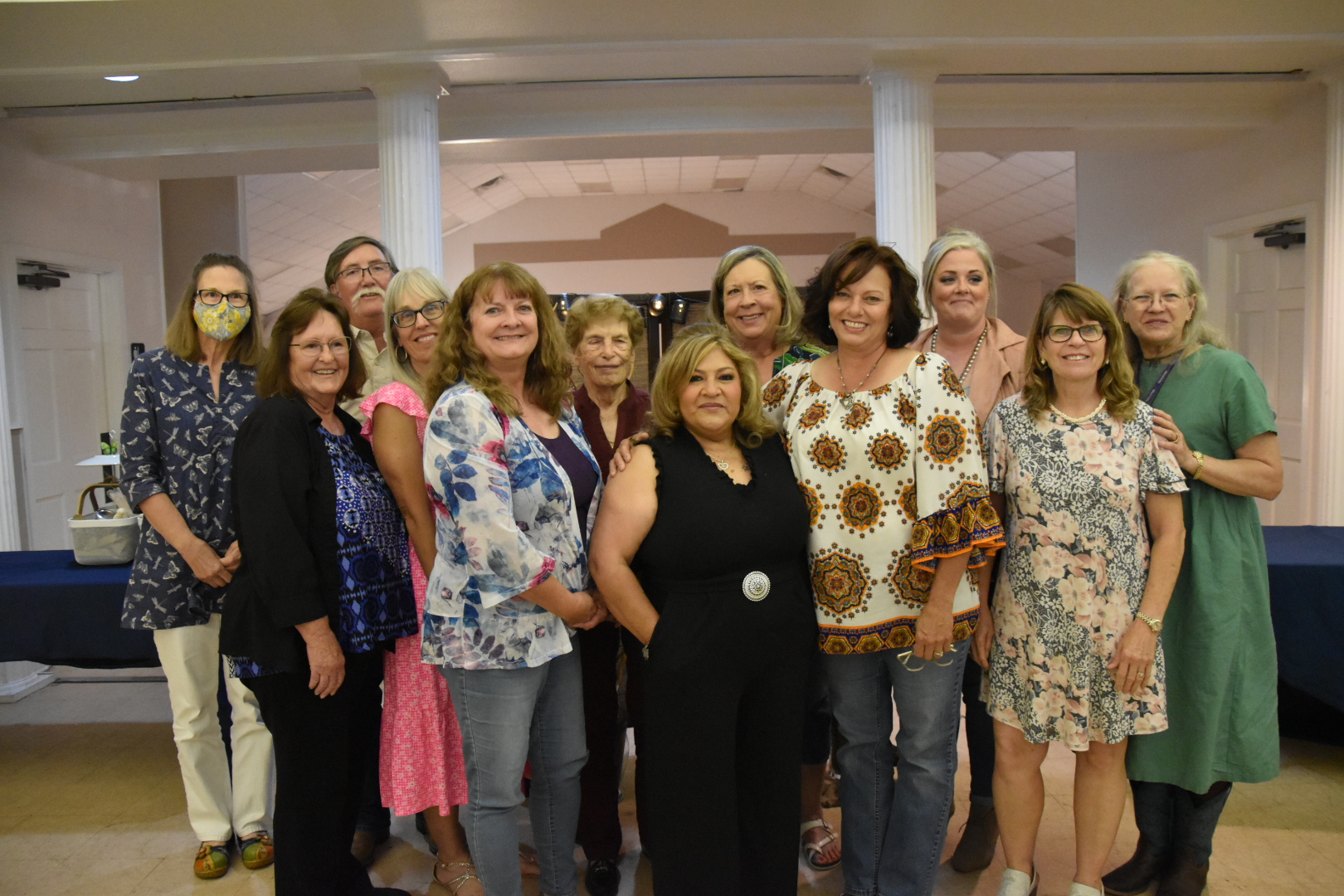
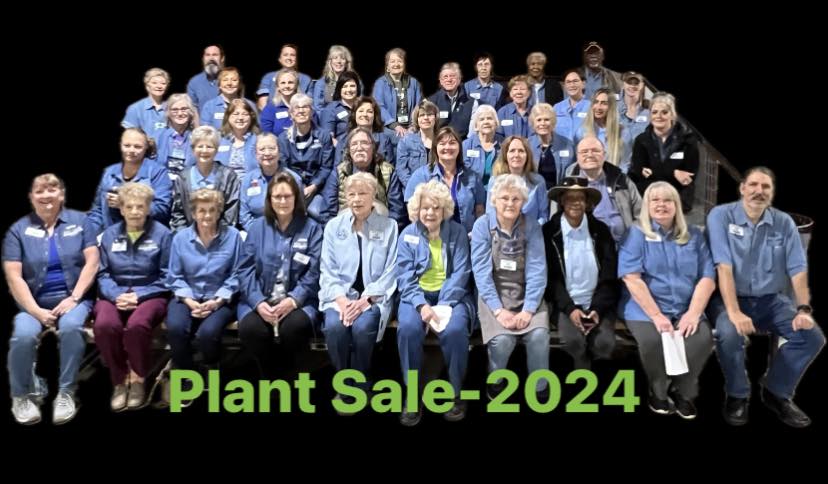
The Master Gardeners of Milam County are volunteers who work with the Texas AgriLife Extension Service to improve gardening skills throughout the community. We share our gardening knowledge through community service and outreach, gardener training and educational programs. What is a Master Gardener?Family Master Gardeners are local volunteers in your community who work with the Texas AgriLife Extension Service to increase the availability of horticultural information and improve your communities quality of life through various horticultural projects. Disclaimer: The information given is for educational purposes only. References to commercial products or trade names are made with the understanding that no discrimination is intended and no endorsement by the Texas AgriLife Extension Service or Little River Basin Master Gardener Association.
Up Coming Events
Who are Texas Master Gardeners?
Texas Master Gardeners is a volunteer program designed to grow horticultural information throughout the state, town by town. To become a Texas Master Gardener, a participant attends 50 hours of instruction, conducted by the local Extension county agent, then shares this knowledge by donating 50 hours of volunteer service back to the community.
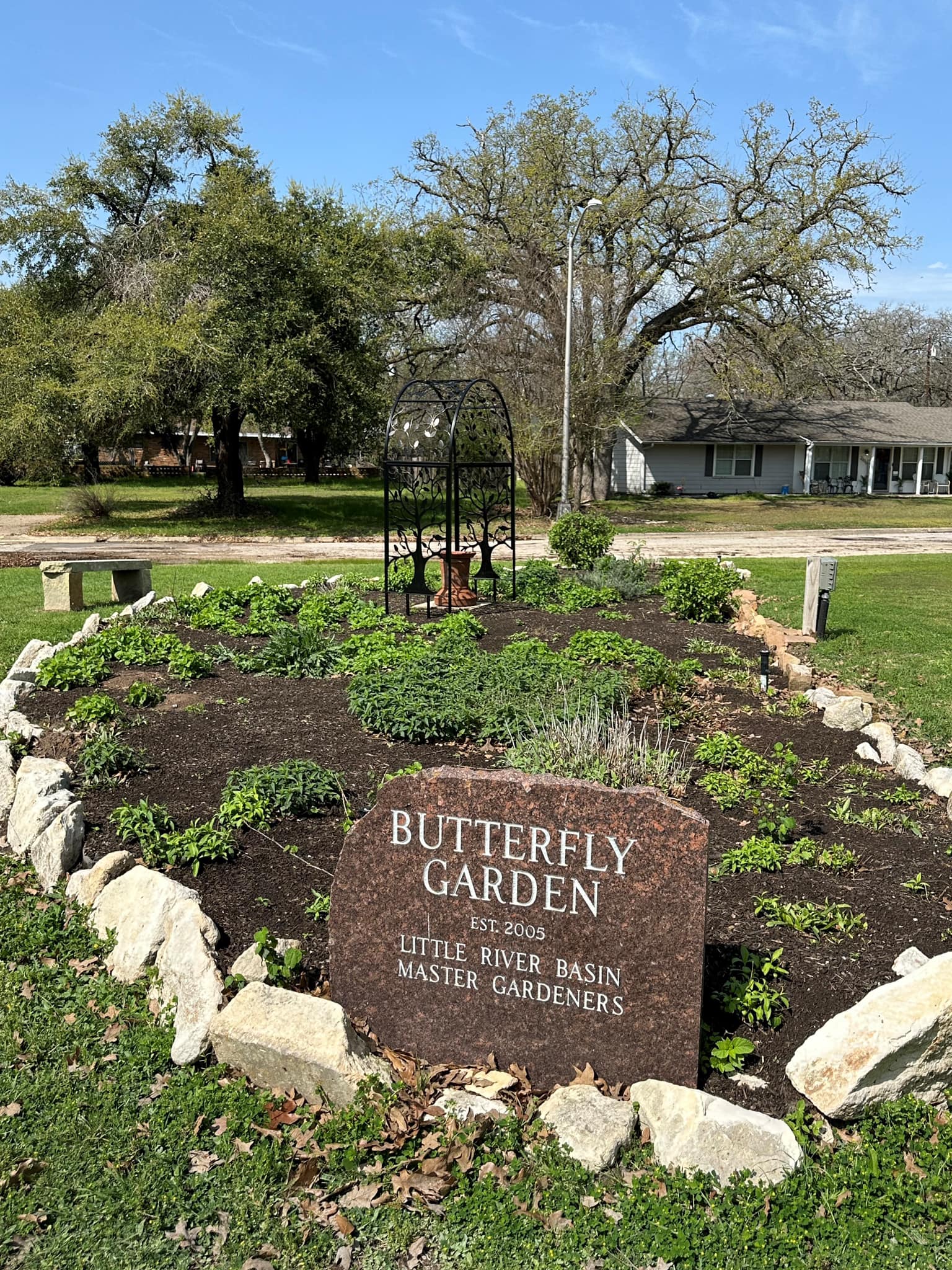
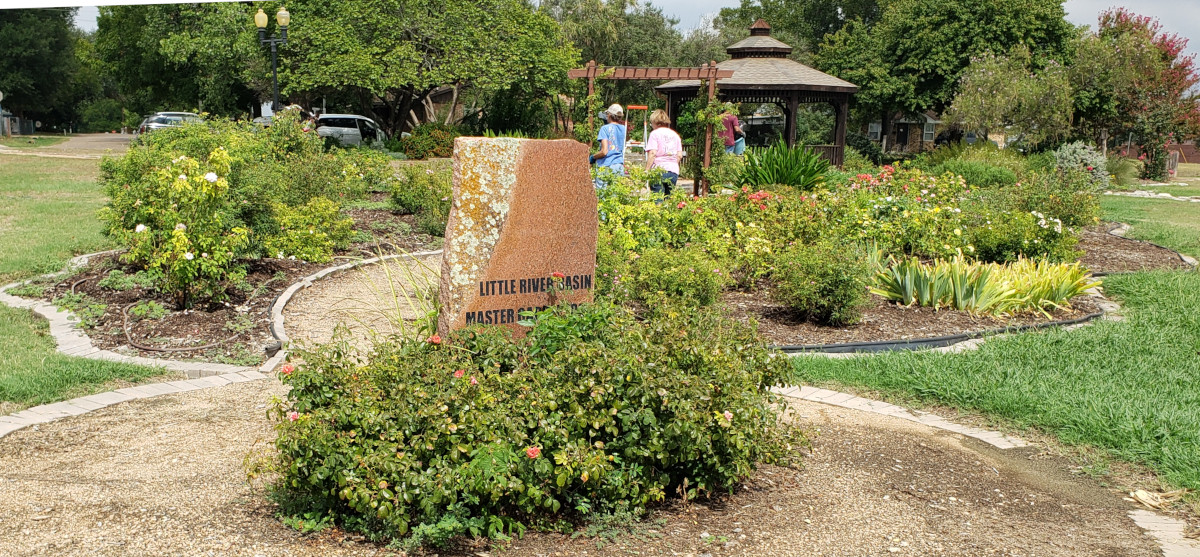
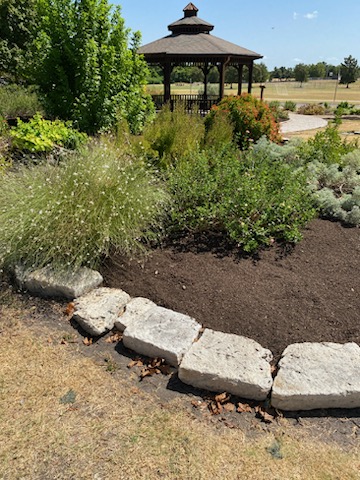
The touch of Texas Master Gardeners’ green thumbs can be found across the state -- in school garden projects, horticultural therapy projects, community gardens and demonstration gardens; by volunteers who also conduct gardening programs and answer gardening questions. Anything anyone wants to know about gardening, a Master Gardener can help. That includes young wannabe gardeners too – Master Gardeners help set up 4-H gardening clubs and Junior Master Gardener groups.
In fact, when it comes to green and growing things, Master Gardeners dig into their service in all kinds of ways: teaching, giving presentations, writing newsletters and articles, providing clerical help, and designing and maintaining Web pages.
Want to Know More?
http://txmg.org/milam
That year Texas Master Gardeners gave 2,200 presentations for a combined audience of 68,087 of their neighbors, and provided research-based horticulture information to 18,000 others.
Volunteers contributed 454,036 hours to horticulture-based educational projects in 2008, a benefit to the state that was worth $9 million.