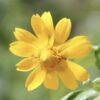

The International Garden Area – These plants have their origins from all over the world. They have numbered signs with descriptions of each plant and their country of origin and the cultural facts about them.
This article was written by Kathy Chilek, chair of this area since 2006.
Kathy Chilek Prepared this Plant List of Selections in the International Garden Area (See more information below.)
“Attractive and Texas Tough Residents of the International Garden”
By Kathy Chilek – Victoria County Master Gardener
August 29, 2026
In 2006 exciting plans were made to greatly expand Victoria Educational Gardens. Designs were drawn up to include heirloom, patriotic and superstar gardens. Other spaces were reserved for ornamental grasses, antique roses, a tropical garden with waterfalls and a xeriscape garden by a gazebo and more.
The Victoria County AgriLife Extension Agent at that time suggested Master Gardeners include an area with plants brought to Texas from other countries that could adapt to our weather and soil conditions but were not invasive or harmful in some way. This challenge began the “Great Plant Hunt”.
Finding out the country of origin for any plant considered for this project would have been extremely difficult were it not for discovering one nursery that fortunately printed the name of the country of origin on each plant label.
Many other plants not purchased at that nursery still had to be individually researched. By planting time 2006, we had gathered 54 trees, shrubs and plants originally from 16 foreign countries including Australia, New Zealand, Africa, India, Israel, Japan, China, Costa Rica, Brazil, Paraguay, Uruguay, and Argentina.
Over the next 20 years we discovered which of these plants could not survive being roasted alive by the sun, turned into ice cubes by sudden freezes, drowned by occasional floods, or blown out of the ground by hurricanes. Our biggest loss was to Hurricane Harvey: 3 twelve-foot tall, mature Italian cypress trees blown flat, laid down side by side like railroad ties. Some replacements lasted only a few weeks. Others lasted years.
Today we want to share the names of a few of the original survivors and some recent additions to the International Garden which we love and have great hopes for growing and sustaining. All these selections are planted in full sun.
Brazilian Rock Rose-Brazil (Pavonia hastata). Short, woody-stemmed plant maturing at three feet tall and wide covered with white flowers with pink-red centers from spring to frost. Comes back from winter dormancy.
Japanese Mock Orange-Japan (Pittosporum variegata). Was 4 foot tall when planted, is now 8 foot tall and 7 foot wide and an attractive evergreen shrub. Leaves green with white edges. Survives cold and heat. Needs moderate watering. Prune as needed to keep in shape.
Forsythia Sage-Mexico (Salvia madrensis). Sends up single, new square stems each spring from the base. Stems grow to 5 feet tall then produce 2 foot long, yellow-flowered tips in the fall. LAll stems die at first frost and should be cut to the ground at end of winter before new stems emerge.
Mexican Honeysuckle-Belize and Costa Rica (Justicia spicigera) A spreading shrub that grows to around 4 feet tall. Has tubular red-orange flowers spring to frost. Trim to keep its shape and size. Goes dormant in winter. Leafs out again in spring. Survives heat and cold.
Flowering Quince-Japan (Chaenomeles japonica) Woody-stemmed shrub only 20 inches tall and wide. Drops leaves and flowers at first frost. Produces lovely coral flowers and new leaves in early spring that continue all summer.
Yew Pine-China and Japan (Podocarpus macrophyllus) Beautiful evergreen tree. Centerpiece of the International Garden. Was 5 feet tall when planted 15 years ago. Now is 12 feet tall and 7 feet wide. Survives cold and heat. Trim lightly to keep in shape. Moderate water.
Kings Mantle-Western Africa (Thunbergia erecta) Small evergreen shrub with velvety purple flowers having yellow throats. Trim to keep 4 feet tall, 3 feet wide. Moderate water.
Victoria County Master Gardeners plant and care for these gardens. They would love for you to come see all the gorgeous and impressive plants grown for your enjoyment.
The Main entry gate is on Bachelor Drive. It is just across the street from the airport control tower at the very back of the airport property. It is free to the public and open from dawn to dusk.
All photos were taken by Kathy Chilek, the author of this article.


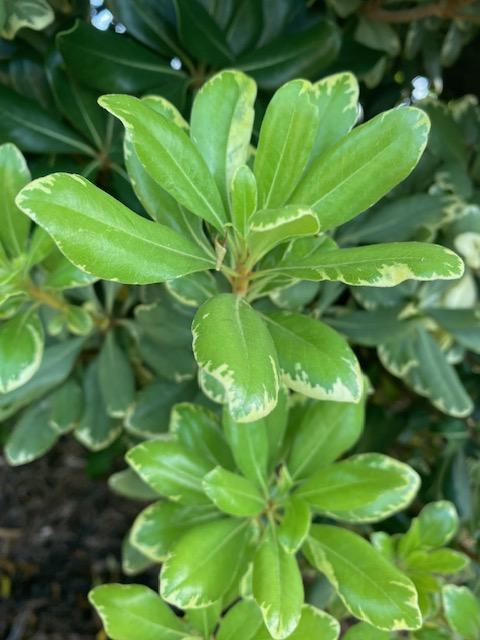
There are so, so many more beautiful plants that originated in other countries, yet have adapted well to our South Texas environment. Come SEE!
Plant List – Common Name – Botanical Name – Country of Origin – List of Plants in the International Garden -September 2026
Submitted by Kathy Chilek
- Evergreen Wisteria (1) – (Millettia reticulata) or (Callerya reticulata) China, Vietnam, Taiwan (See on YouTube)
- Turks Cap (1) – (Malvaviscus arboreus) Texas Native Plant
- Brazilian Rock Rose (many)- (Pavonia hastata) Brazil
- Awabuki Viburnum (1) – (Viburnum odortissimum) China/Japan
- Russian Sage (1) – (Perovskia atriplicifolia) Central Asia
- Phillipine Violet (1) – (Barleria cristata) Southern China to India
- Indian carnation (1) – (Tabernaemontana divericata) S. Asia/China
- Canna Lily (several) – Tropical regions of the Americas
- Bottle Brush Tree (1) – (Calustemon rigidus) Australia
- Pink Feather Duster (1) – (Caliandra eliophylla) Mexico
- Yaupon Holley (2) – (Ilex vomitoria) SE USA/Mexico/Cuba
- Japanese Mock Orange – (Pittosporum variegata) Japan
- Forsythia Sage (several) – (Salvia madrensis) Mexico
- Mexican Honeysuckle (many)- (Justicia spicigera) Costa Rica
- Fall Aster (1) – (Aster oblongifolius) North America
- Mexican Heather (1) – (Cuphea hyssopifolia) Mexico
- Awabuki Viburnum (1) – (Viburnum odortissimum) Japan
- Kings Mantle (1)- (Thunbergia erecta) West Africa
- Chrysanthemum (2) species Center of Diversity-China
- Yew Pine Tree (5) – (Podocarpus macrophylus) Japan/China
- Flowering Quince (2) – (Chaenomeles japonica) Japan
- Olive Martini Eleagnus (2) – (Elaeagnus x ebbengei ‘Viveleg’) France
- New Zealand Flax (5) –(Phormium tenax) New Zealand
- Mealy Blue Sage (many) – (Salvia farinacea) Texas Native
- Tall Verbena (1) – (Verbena bonariensis) South America
- Red Robin Photinia (1)- (Photinia x fraseri) China
- Butterfly Weed (1) – (Asclepius tuberosa) North America