More than 1,000 species of Rubus can be found globally
by Dana Wright
October 11, 2025
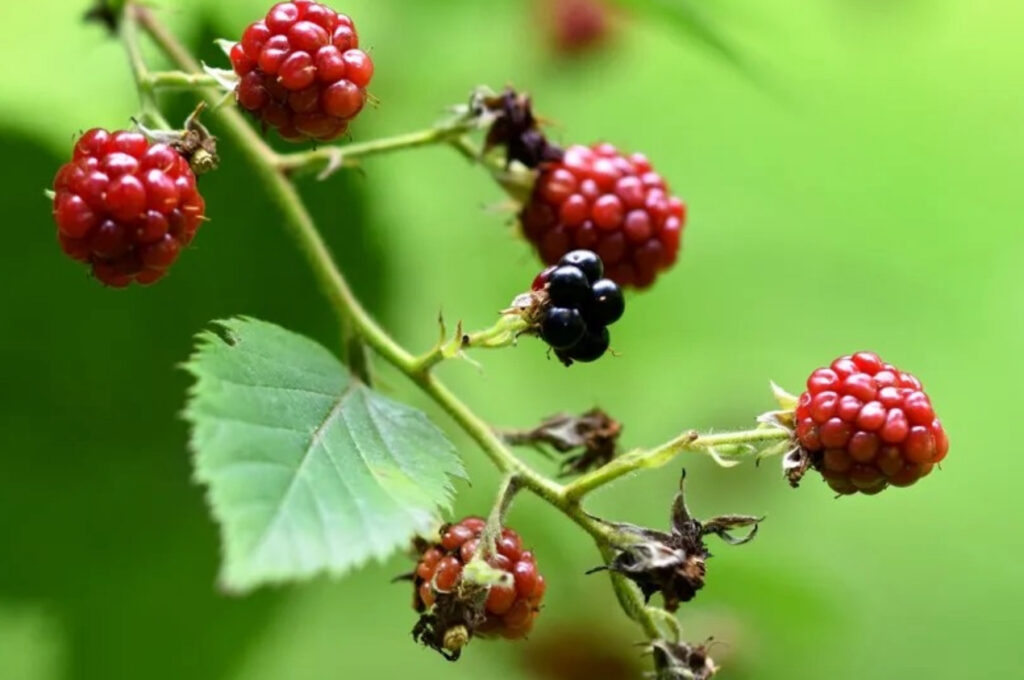
Raspberry branch (Photo contributed by Freepik
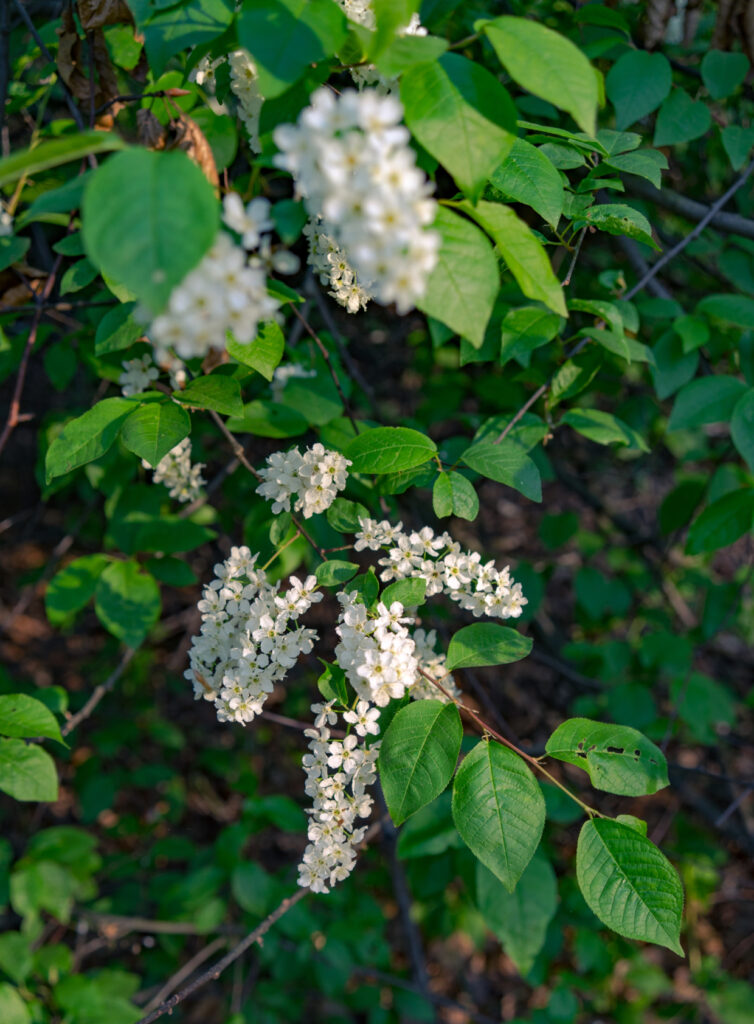
Flowers of bird cherry
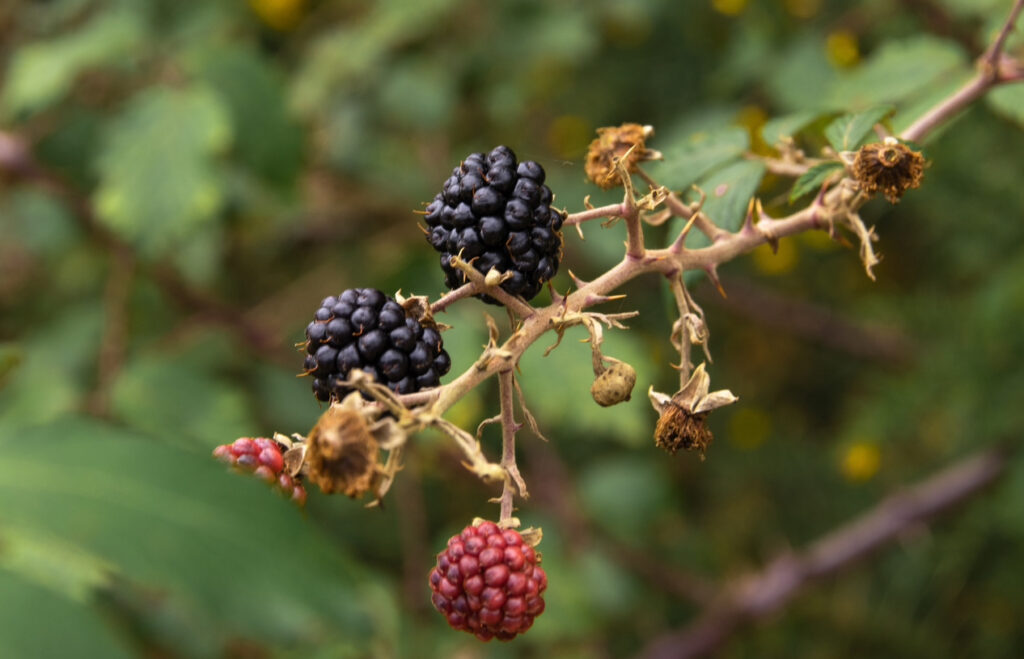
Juicy blackberries growing on branches.
Did you know that Rubus can be considered an herb? Yes, Rubus was the 2020 International Herb of the year primarily for its medicinal purposes. Perhaps you are like me and not familiar with this term. However, since the Ice Age, Rubus is respected as a food, medicinal source and inspiration for peoples worldwide. Rubus is also known as brambles or briers. It is a diverse genus of flowering plants in the rose family. Rubus has up to 1000 species found across all continents except Antarctica. Synonymous with Rubus are blackberry and raspberry, as well as hybrids: dewberry, brambleberry, salmonberry, loganberry and boysenberry. Rubus is a vitamin rich edible fruit.
These brambles are known for their thorny stems, technically called “prickles” and their tangled growth. The most known bramble, the blackberry is a perennial plant having three to seven leaflets stems. Blooming in late spring to early summer, its five-petaled white or pink flowers become an aggregate fruit composed of many drupelets or little round fruit bodies containing tiny seeds. The original superfood, blackberries rank higher than most other North American foods in concentrations of antioxidants. The lack of attention to blackberries could be due to the quantity of seeds they contain. They have a tart sweetness and plenty of richly flavored juice.
These brambles are known for their thorny stems, technically called “prickles” and their tangled growth. The most known bramble, the blackberry is a perennial plant having three to seven leaflets stems. Blooming in late spring to early summer, its five-petaled white or pink flowers become an aggregate fruit composed of many drupelets or little round fruit bodies containing tiny seeds. The original superfood, blackberries rank higher than most other North American foods in concentrations of antioxidants. The lack of attention to blackberries could be due to the quantity of seeds they contain. They have a tart sweetness and plenty of richly flavored juice.
Keep your plantings away from where nightshade vegetables (peppers, tomatoes, potatoes, and eggplants) were planted within the past seven years. This precaution will prevent the transfer of soil-born fungal disease Verticillium wilt. Also, do not plant within 600 feet of wild-growing brambles to prevent spread of diseases. As Rubus grow in dense thickets, gathering fruit from their brambles/briars can be a challenge. Long slender canes with small, sharp prickles require puncture-proof attire with gloves and leather arm bands to keep you from those thorns. Some species of brambles’ aggressive growth have labeled them as invasive. Training cultivated vining canes and proper pruning is essential to keep bramble plants healthy and maintain good fruit production. The rewarding fruits are worth the efforts. Rubus berries have been used to make wines, jams syrups, sauces, desserts and even liqueurs for centuries. Bramble flowers also attract pollinators like bees and butterflies which makes them worth the effort.
Rubus fruticosus brambles or European blackberries, have been around so long they have rich references in folklore and literature. Think of the dense bramble thicket surrounding the castle of “Sleeping Beauty.” We can even find references in Shakespeare. Brambles were believed to ward off evil spirits and witches and were a symbol of resilience and survival in many cultures. The roots and leaves of some species have been used in traditional as well as alternative medicine. Tea from these roots and leaves is believed to have anti-inflammatory properties. Greeks and Romans used bramble leaves to treat wounds and digestive issues. The berries have used been to make natural dyes. Brambles with their thorny thickets make a natural deterring fence as well as nesting sites for birds and offer small mammals protection from predators. Bramble plants can live up to 25 years in the wild. Although Rubus is not a familiar plant for most of us, you can find lots more information than this article offers. You just have to look. Happy growing.
Read more at: https://victoriaadvocate.com/2025/10/12/master-gardeners-more-than-1000-species-of-rubus-can-be-found-globally/