ARBOR DAY: Consider the wonders of the magnificent oak
by Kristine Oksenholt/Victoria County Master Gardener
April 19, 2025
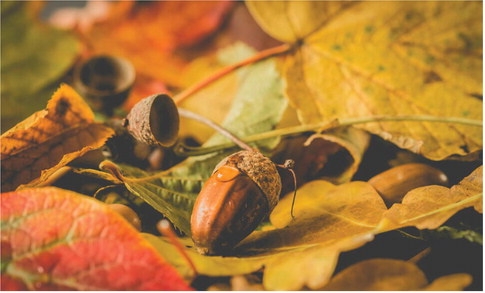
Oak Acorn (pexels. com)
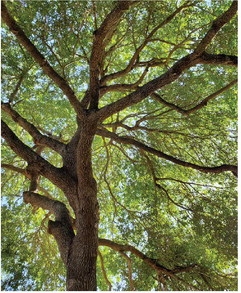
Oak Tree (contributed photo)
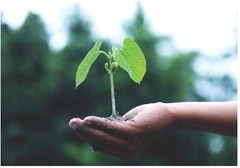
Oak Seedling (pexels .com)
With Earth Day being celebrated April 22 every year and Arbor Day being commemorated the last Friday of April, now is a good time to explore one of the most majestic of trees, the magnificent oak.
Magnificent oak is not a single, official name but a term to describe an oak’s age, size or ecological significance. The history of magnificent oak trees is quite captivating and planting an oak tree helps the Earth’s creatures as well as mankind. Oak trees are crucial to our ecosystem.
Looking into the history of magnificent oak trees, it was discovered that they have been around for sixty five million years. The reason they have survived so long is partly due to the design of the acorns.
The oldest known magnificent oak is the Jurupa Oak also known as the Hurungna Oak which is a clonal colony of Palmer’s oak (Quercus palmeri) trees in Jurupa Valley City, California. This tree is at least 13,000 years old.
The Jurupa Valley City Council is building a development there which is threatening this tree. Environmental groups filed a lawsuit in October 2024 to protect the oak tree.
There is a magnificent live oak tree (Querus virginiana) on Goose Island in Texas. In 1966, it was a National Champion for its measurements of 421 ¼ inches in circumference, height of 44 feet and crown spread of 89 feet. It was estimated to be 1,100 years old.
In Victoria, Texas, the historical district has many magnificent oaks, including the bur oak (Quercus macrocarpa), Chinquapin oak (Quercus muehlenbergii), Shumard oak (Quercus shumardii), Monterey oak (Quercus polymorpha) Texas red oak (Quercus texana) and Texas live oak (Quercus fusiformis).
The magnificent oak at the Power Home comes from an acorn that fell from the tree located on the site of Stephen F. Austin’s death, near present day West Columbia, Texas. A historical monument marks the place where Austin died on Dec. 27, 1836.
On April 18, 2002, Jan Chilcoat as president of the Daughters of the Republic of Texas (DRT), announced that Shirley Burnett, Alamo District representative, is encouraging each chapter to participate in the Stephen F. Austin Oak Project by buying a live oak tree to be planted in a designated area.
According to Victoria DRT members Ann Heinrich and Kathleen Reimann, it was decided a tree would be purchased and planted in the yard of the Power Home.”
Oaks are good for erosion control with their strong roots. They support wildlife like birds, small animals and deer. Butterflies lay their eggs in the oak foliage and the caterpillars feed on oak leaves. Although all native trees are good for biodiversity, the oak still is considered the king of biodiversity.
As many as 2,300 species are known to be associated with oak trees. They include: 38 bird species, 229 bryophytes, 108 fungi, 1,178 invertebrates, 716 lichens, and 31 mammals. 320 of these species are found only on oak trees and another 229 are rarely found on species other than oak.
Wild bees and pollinators are attracted to oak trees. Oaks do not have traditional nectar from flowers, however they do have something similar that is secreted from their gals growing on the tree.
Oak trees have a very high carbon sequester rate, sequestering 10,994 CO2 over their life span. This fact makes them the most efficient carbon capturing trees.
This is a perfect time of year to get outside and view the beautiful magnificent oak trees everywhere in Victoria. Be sure to help plant more trees in sparse areas.
Sitting under a magnificent oak tree is such a great feeling.
Gardeners’ Dirt appears in The Victoria Advocate each weekend.