by Joan Orr, Somervell County Master Gardener
If you have large areas of weeds that you want to get rid of, this recipe is for you. It will kill any vegetation it comes in contact with. Care must be taken to spray only the weeds you want to kill, avoiding spraying lawns and flowers.
 1 gallon distilled vinegar
1-cup household salt
1 tbsp dish detergent
Spray bottle
Mix all ingredients in large kettle and heat over medium heat until the salt is completely dissolved. It is not necessary to boil the solution. Set aside to cool. Pour in spray bottle and get to work!
**Before you apply this weed-killer in your garden, here are some guidelines:
– This weed-killer is non-selective, which means that it will also damage/kill your desirable plants. So be careful when applying to weeds.
– Apply on a sunny day with NO wind. The sun helps the vinegar to dry out the weed. You also want to wait for a windless day so that your spray won’t inadvertently spray onto other plants.
– This weed-killer may or may not kill the root of the weed. You may need to reapply it if green growth shows up afterward or pour a little of the weed-killer over the root zone to thoroughly kill large weeds
So, next time you need to kill weeds, simply open your cupboard and make your own with vinegar, salt and soap. It’s natural, effective and cheap!

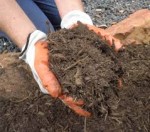
 Testing for nutrients in the soil may be done through Texas AgriLife Extension Service Soil, Water and Forage Testing Laboratory. You may get an analysis from any lab of your choice but know if you send the soil sample to a commercial laboratory instead of the one at Texas AgriLife Extension Service, be sure to use an agronomic soil testing laboratory, not an environmental soil testing laboratory as most environmental laboratories are unfamiliar with agronomic soil testing and therefore may not make nutrient recommendations. Soil bags for sample collection and information sheets are available from your county extension office or line at
 This is your last chance to get wildflower seeds out as well but get to it quick. Make sure there is good seed to soil contact for best germination. Fall rains and Mother Nature should take care of the rest.