The Ellis County Master Gardener Association supports Texas A&M AgriLife Extension Service in the community through our annual Lawn & Garden Expo, numerous horticultural classes, speaking engagements, monthly newsletter, and our community and learning gardens. As you explore our website, if you have any questions, feel free to contact us at EllisMG@ag.tamu.edu


Check It Out and Click Here!



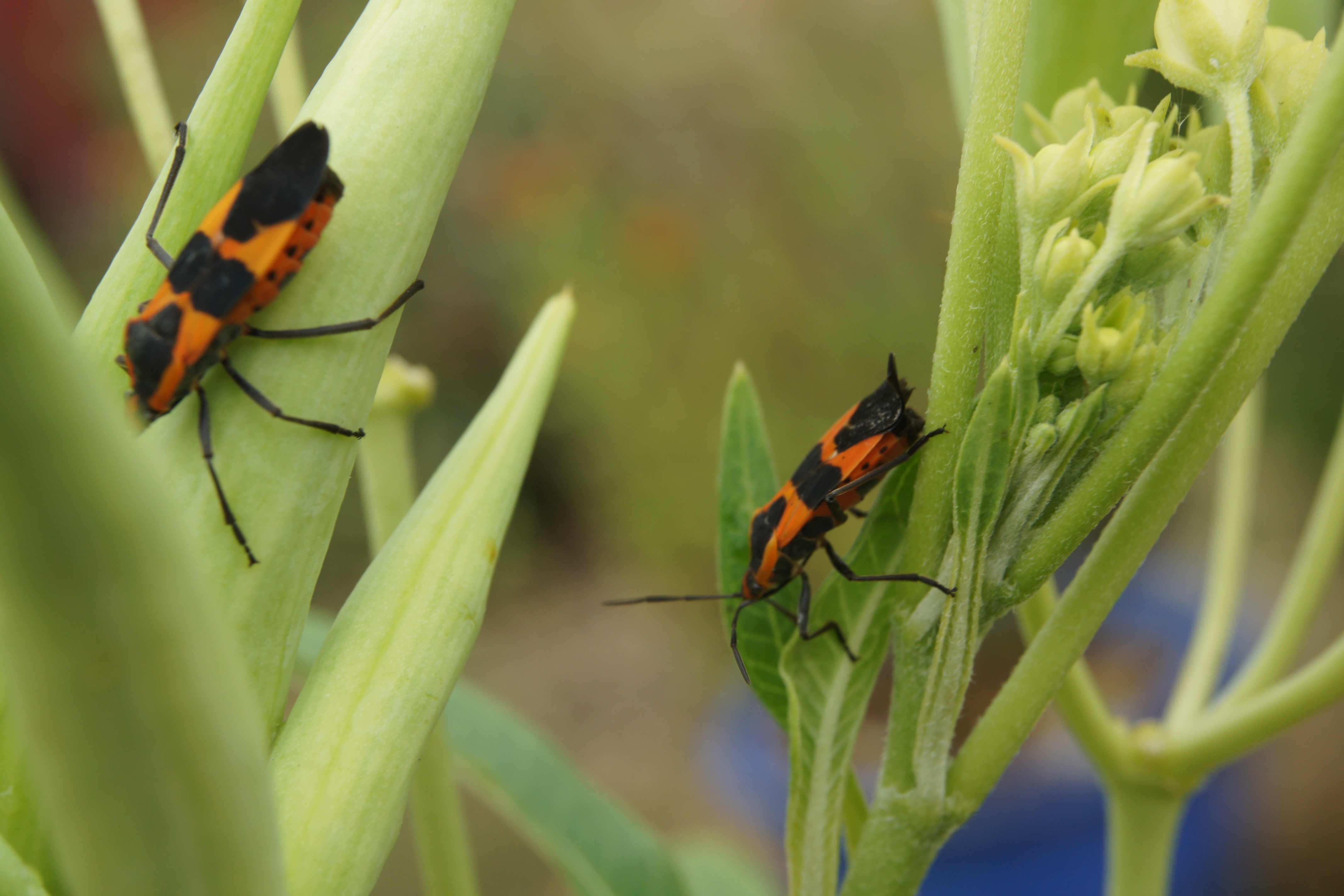
Read our Recent Blog Posts
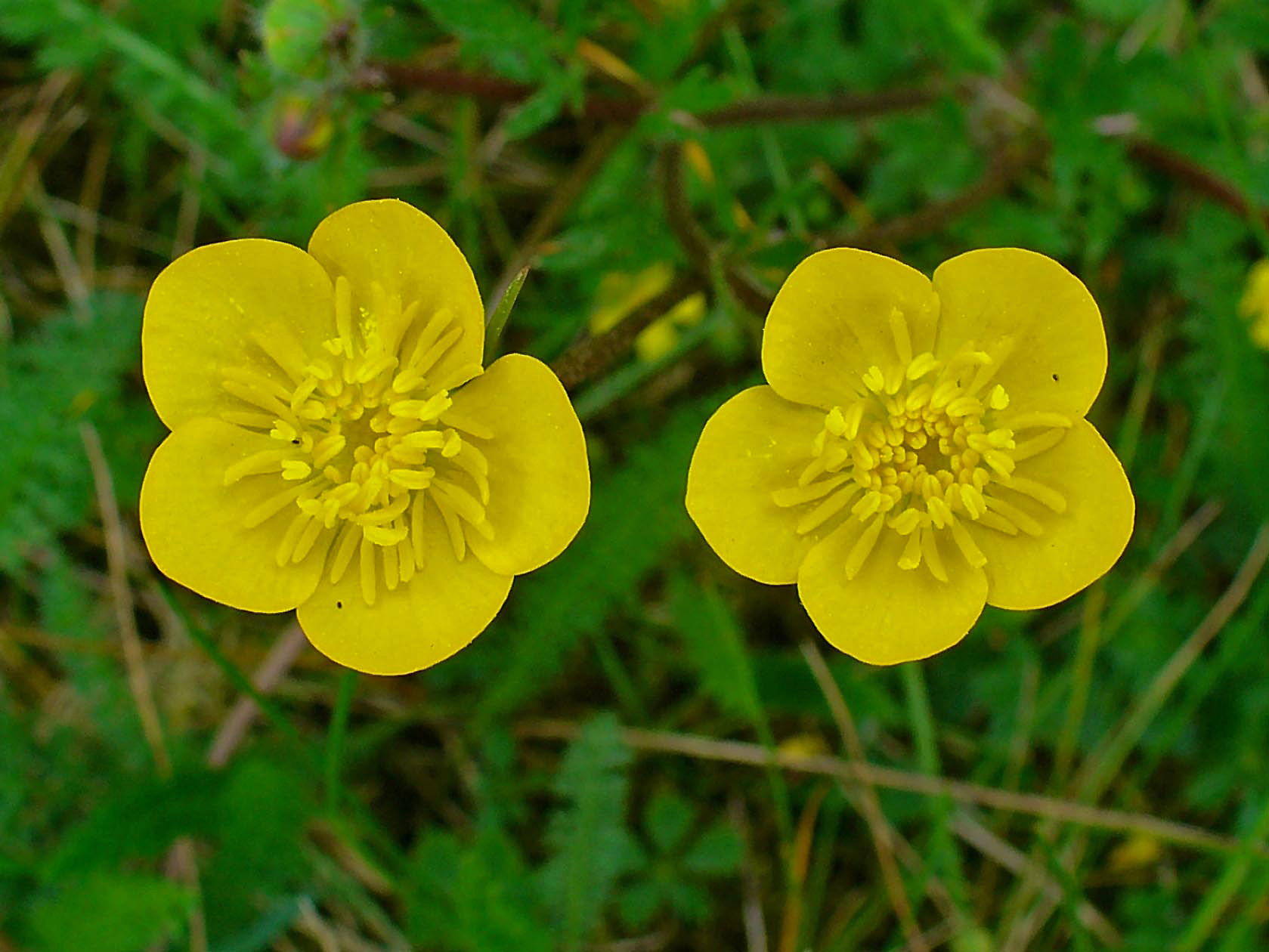
 The Magic of the Lotus - Bring a bit of Asia into your container gardens with a lotus plant. It’s a stunning, fuss-free plant producing eye-catching blooms and foliage. It performs great in the Texas summers... Read More →
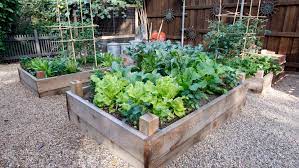
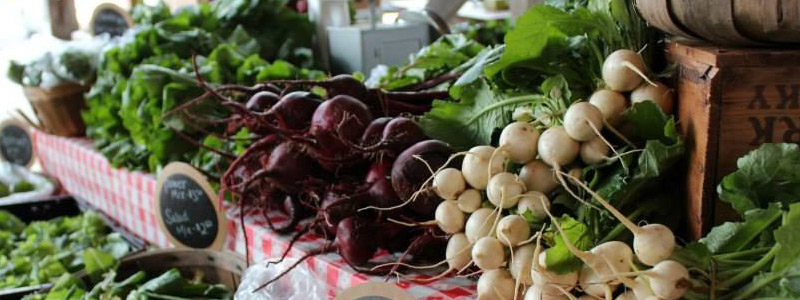 Waxahachie Farmers Market Opening day is April 6th. - What’s Happening at the Waxahachie Downtown Farmer’s Market Looking for something to do on a Saturday morning? Did you know the City of Waxahachie hosts a Farmers Market? The Farmer’s... Read More →
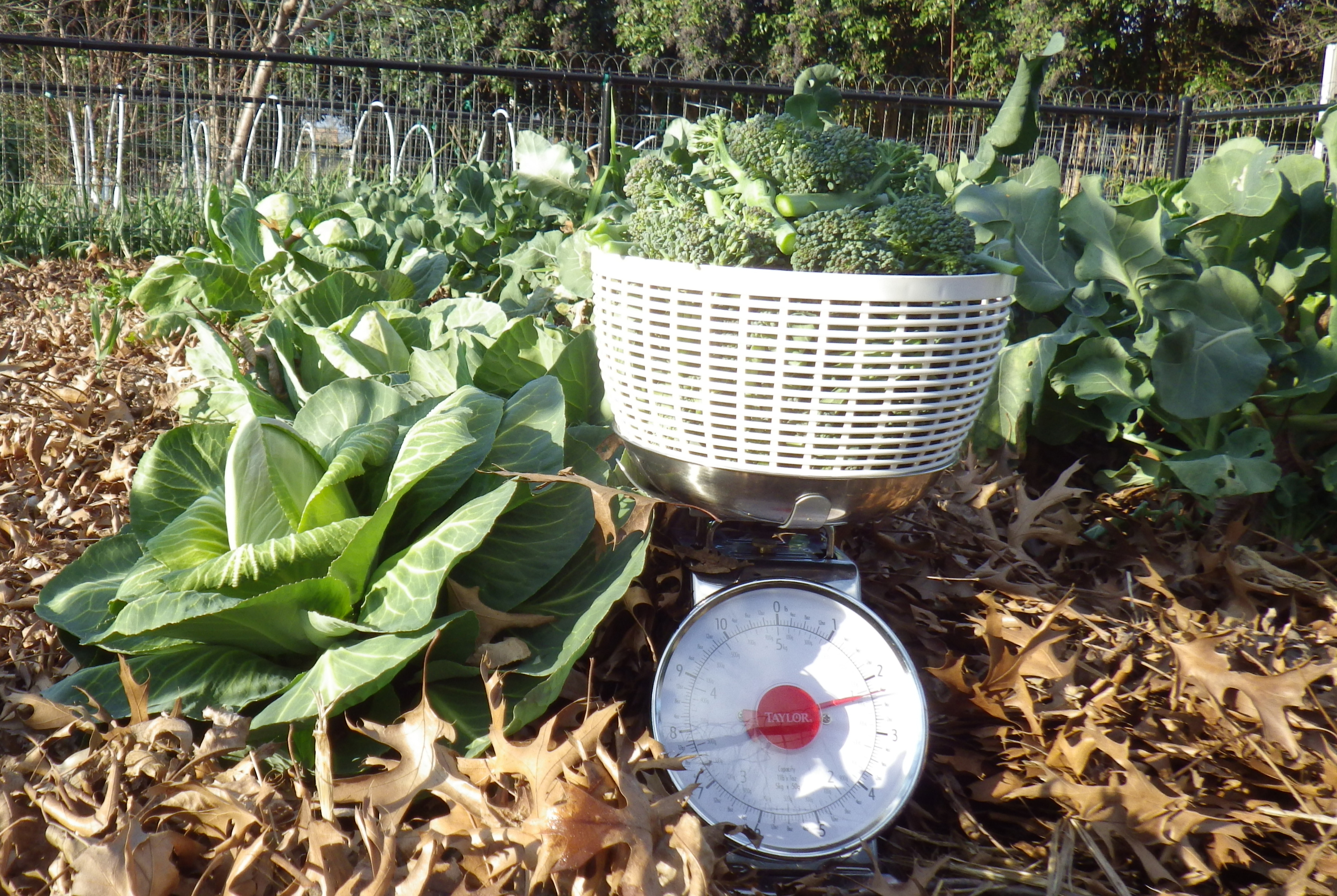
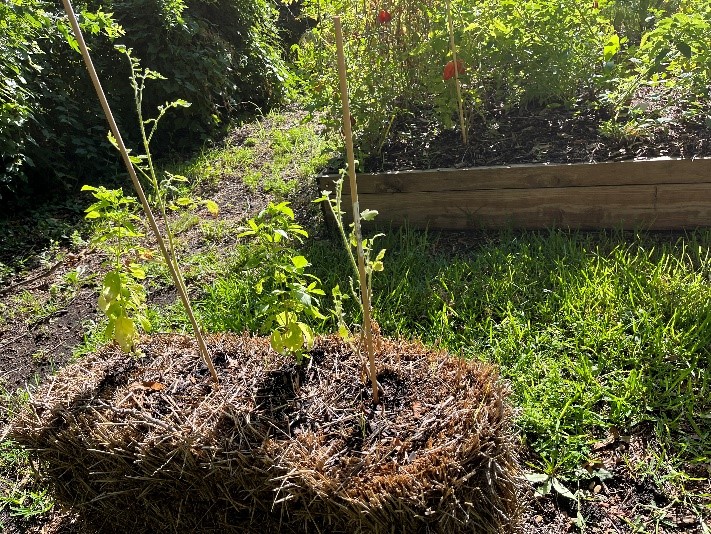
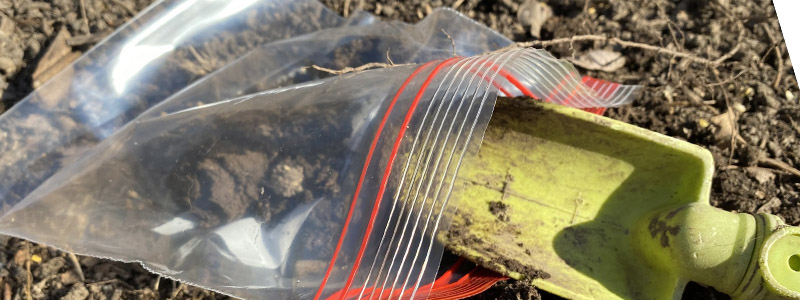 A Test of a Soil Test Kit - I wanted to know how my organic fertilizing program was going on a garden I had started in March 2021 after we had moved here. The 4-foot by 8-foot garden... Read More →
E-Newsletter
Sign-up to receive Ellis County Master Gardener Association newsletter via email.